

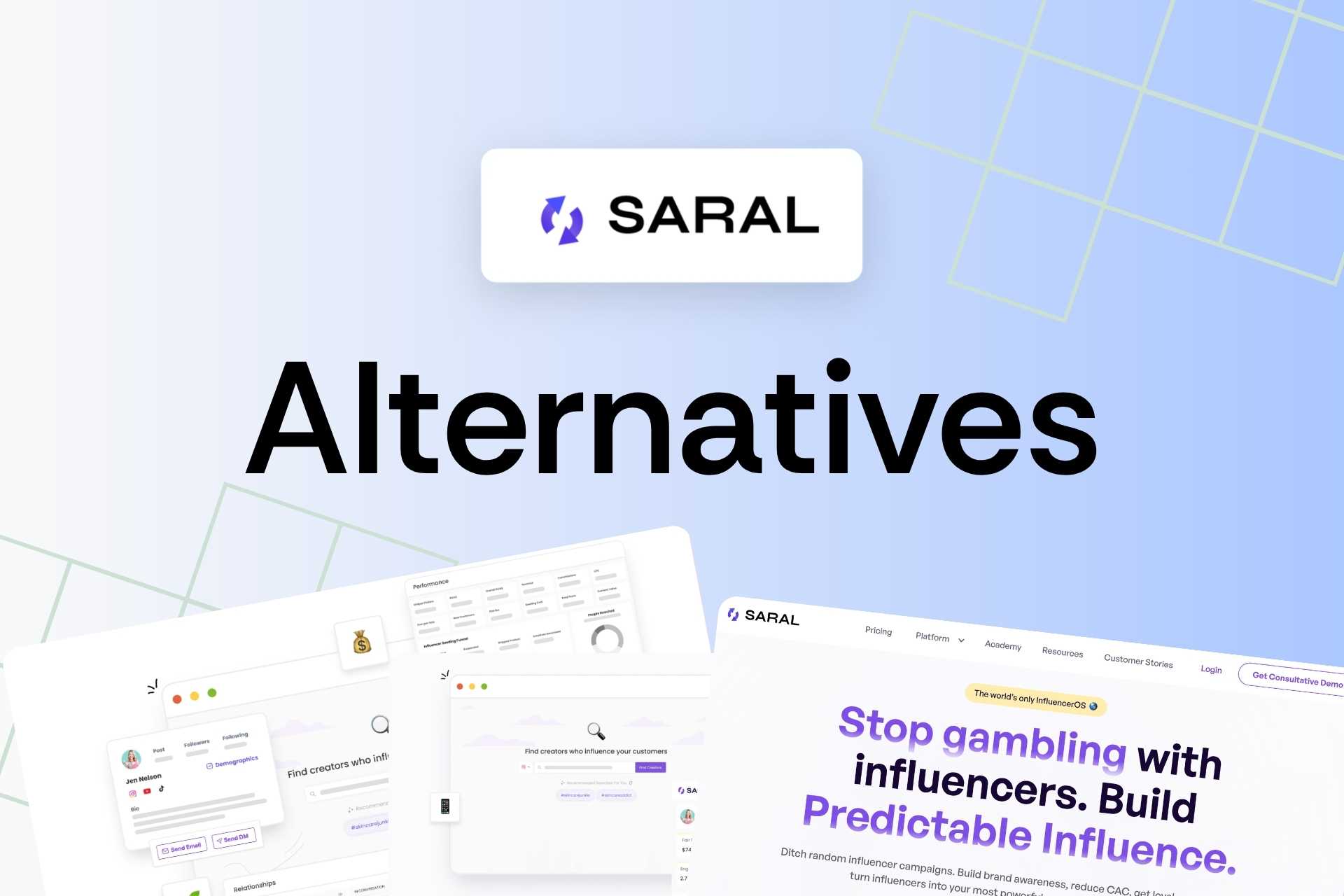
SARAL Alternatives: Best Influencer Marketing Platforms
Brands and agencies rely on influencer marketing software to manage creator discovery, outreach, campaign tracking, and performance reporting from a single platform as creator partnerships scale across channels. As influencer collaborations become a core acquisition channel for D2C companies, centralized tools help teams replace spreadsheets with measurable workflows and clearer ROI tracking.
While SARAL is widely recognized for simplifying creator relationship management, users frequently look for SARAL alternatives due to several limitations. Common feedback highlights restricted advanced analytics and reporting capabilities, limited influencer discovery depth compared to large database platforms, and scalability challenges for agencies or brands managing multi-market campaigns. As campaign complexity grows, marketers often seek influencer marketing software that combines CRM functionality with deeper data insights, automation, and enterprise-level integrations.
For this reason, many teams evaluate competing platforms that offer broader discovery databases, stronger analytics, or more flexible campaign workflows tailored to growing D2C brands and agencies. This article compares leading solutions such as Aspire, Influencity, CreatorIQ, Influencer Hero, GRIN, Upfluence, IZEA, Sprout Social, Captiv8, and Modash to help you identify the 10 best SARAL alternatives based on features, scalability, and overall campaign management capabilities.
Criteria for Suggesting Platform Alternatives:
- Core Features
Evaluation of each platform’s essential capabilities, including influencer discovery, outreach, CRM, campaign reporting, gifting, UGC and content collection, affiliate tracking and payments, storefronts, application pages, and AI-powered tools. - Supported Social Media Platforms
Assessment of how well each platform integrates with major social networks such as Instagram, YouTube, TikTok, Facebook, Pinterest, and many more - Pricing & Contract Flexibility
Comparison of pricing models, subscription costs, and contract requirements to help brands choose solutions that match their budget and scalability needs. - Standout & Differentiating Features
Highlighting unique or innovative functionalities that set each platform apart, such as real-time tracking dashboards, creator benchmarking, TikTok email discovery, or advanced automation tools. - Customer Reviews & User Satisfaction
Analysis of verified user feedback from credible platforms like G2, TrustRadius, Capterra, focusing on usability, reliability, value for money, customer support, and real-world performance.
SARAL Overview
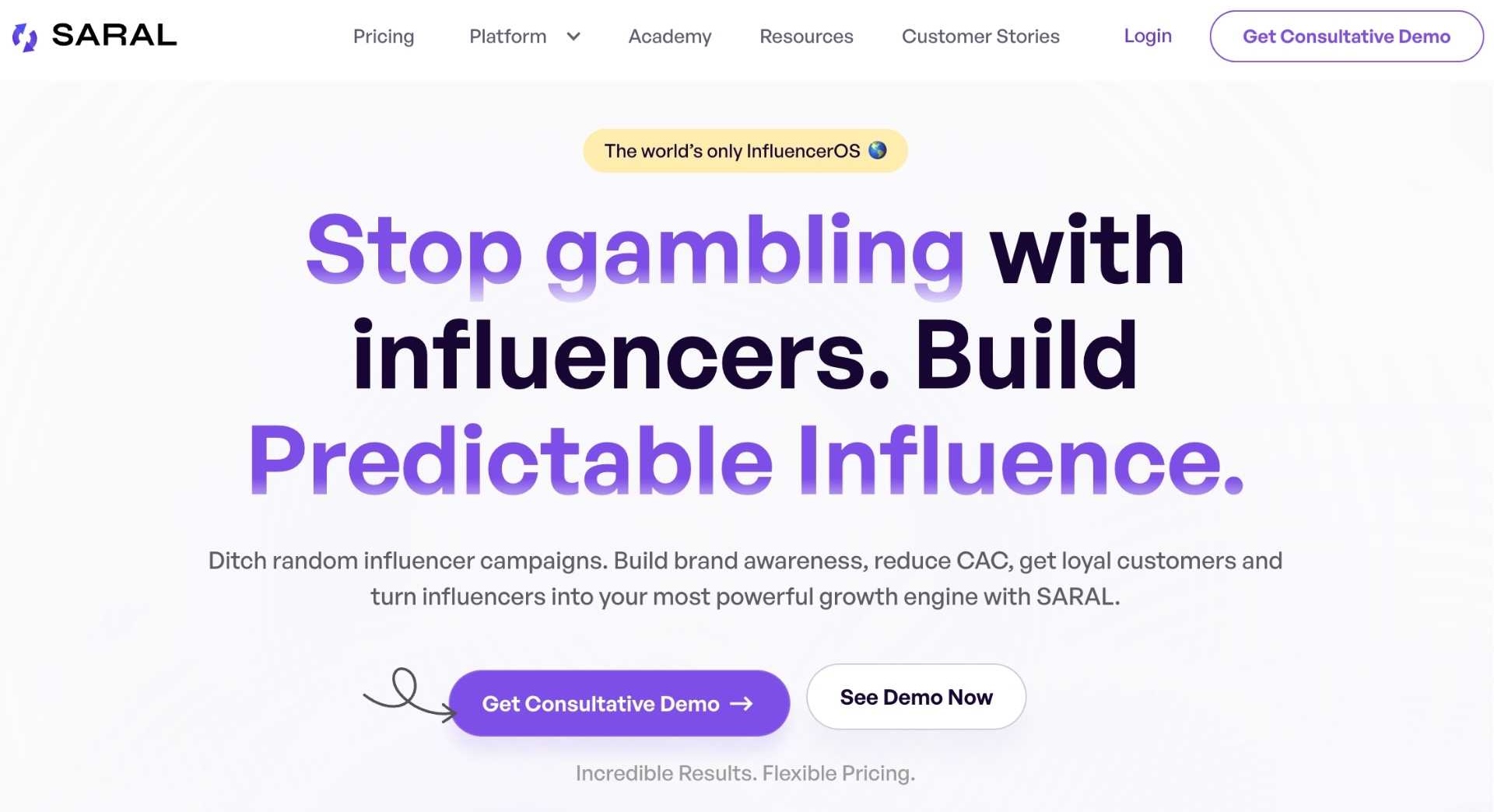
SARAL is an influencer marketing platform built primarily for D2C and ecommerce teams that want to run creator programs end-to-end—without stitching together separate tools for discovery, email outreach, product seeding, and performance tracking. The product is positioned around making high-volume outreach and gifting workflows easier to execute, while keeping creator conversations and campaign steps organized in one place.
Key Features
- Influencer search & discovery (real-time prospecting): Helps you find relevant creators and build outreach lists faster, instead of relying only on opt-in marketplaces or manual hashtag searching.
- Influencer outreach automation: Lets you scale personalized email outreach and follow-ups so you can contact more creators per week without turning your inbox into a spreadsheet.
- Influencer CRM (relationship stages + workflows): Centralizes creator profiles, pipeline stages, and relationship history, so your team can manage ongoing partnerships instead of one-off transactions.
- Product seeding / gifting operations: Streamlines the logistics side—collecting shipping info, sending products, and keeping seeding campaigns organized alongside outreach and follow-ups.
- Affiliate tracking (links + discount codes): Supports creator-specific tracking links and discount codes so you can attribute sales and evaluate ROI at the creator level.
- UGC tracking & content collection: Focuses on tracking influencer posts and organizing outcomes so you can identify what performed and reuse content in paid or owned channels.
Platform Coverage
SARAL supports: Instagram, TikTok, and YouTube.
Pricing
SARAL offers multiple plans billed quarterly: Starter is $3.6k/quarter, Business is $4.5k/quarter, and Professional is $7.5k/quarter.
Reviews
4.7/5.0 (G2)
SARAL Standout Features
- Instagram + TikTok: SARAL Inbox for influencer communications — A dedicated influencer communications hub that keeps outreach threads, creator replies, and workflow actions (like shipping or updating stages) in one place, designed specifically for influencer ops rather than general email management.
- Instagram + TikTok + YouTube: SIA (AI Influencer Assistant) — SARAL’s AI assistant is positioned to help with influencer workflows like identifying creators, drafting outreach, and handling repetitive steps so teams can move faster without adding headcount.
- Instagram + TikTok: “Shopify Magic” for code + link tracking — A workflow for generating discount codes and tracking links tied to creators, built for ecommerce attribution and faster setup of trackable partnerships.
Limitations (why users look for SARAL alternatives)
Missing campaign overview / creator-facing briefing experience
Some reviewers note the lack of a campaign overview page, which can make it harder for creators to access product briefs and campaign context.
Cost concerns as programs scale
Some users describe SARAL and similar seeding platforms as costly, especially for smaller brands watching CAC and operating spend.
Technical issues and friction points
G2’s category summaries flag technical issues as a recurring “cons” theme for SARAL, which can push teams toward more mature enterprise tools.
AI feature adoption challenges (SIA learning curve)
Some feedback mentions that SIA can be difficult to train and may not be usable for some teams in practice, which can be a deal-breaker if AI-assisted outreach is a core buying reason.
10 Best Influencer Marketing Platform Alternatives:
| TOOL | REVIEWS | BEST FOR | TRIAL INFO | PRICING | ||
|---|---|---|---|---|---|---|
1 |
|
⭐ | Influencer marketplace | Book Demo | Pricing | Website |
2 |

|
⭐ | Influencer outreach | Book Demo | Pricing | Website |
3 |

|
⭐ | Influencer CRM & automation | Book Demo | Pricing | Website |
4 |
|
⭐ | Influencer partnerships | Book Demo | Pricing | Website |
5 |

|
⭐ | Campaign management | Book Demo | Pricing | Website |
6 |
|
⭐ | Influencer marketing & Social media analytics | Book Demo | Pricing | Website |
7 |

|
⭐ | DTC creator management | Book Demo | Pricing | Website |
8 |
|
⭐ | Ecommerce influencer discovery | Book Demo | Pricing | Website |
9 |
|
⭐ | Enterprise influencer campaigns | Book Demo | Pricing | Website |
10 |

|
⭐ | Influencer discovery | Book Demo | Pricing | Website |
1. Aspire
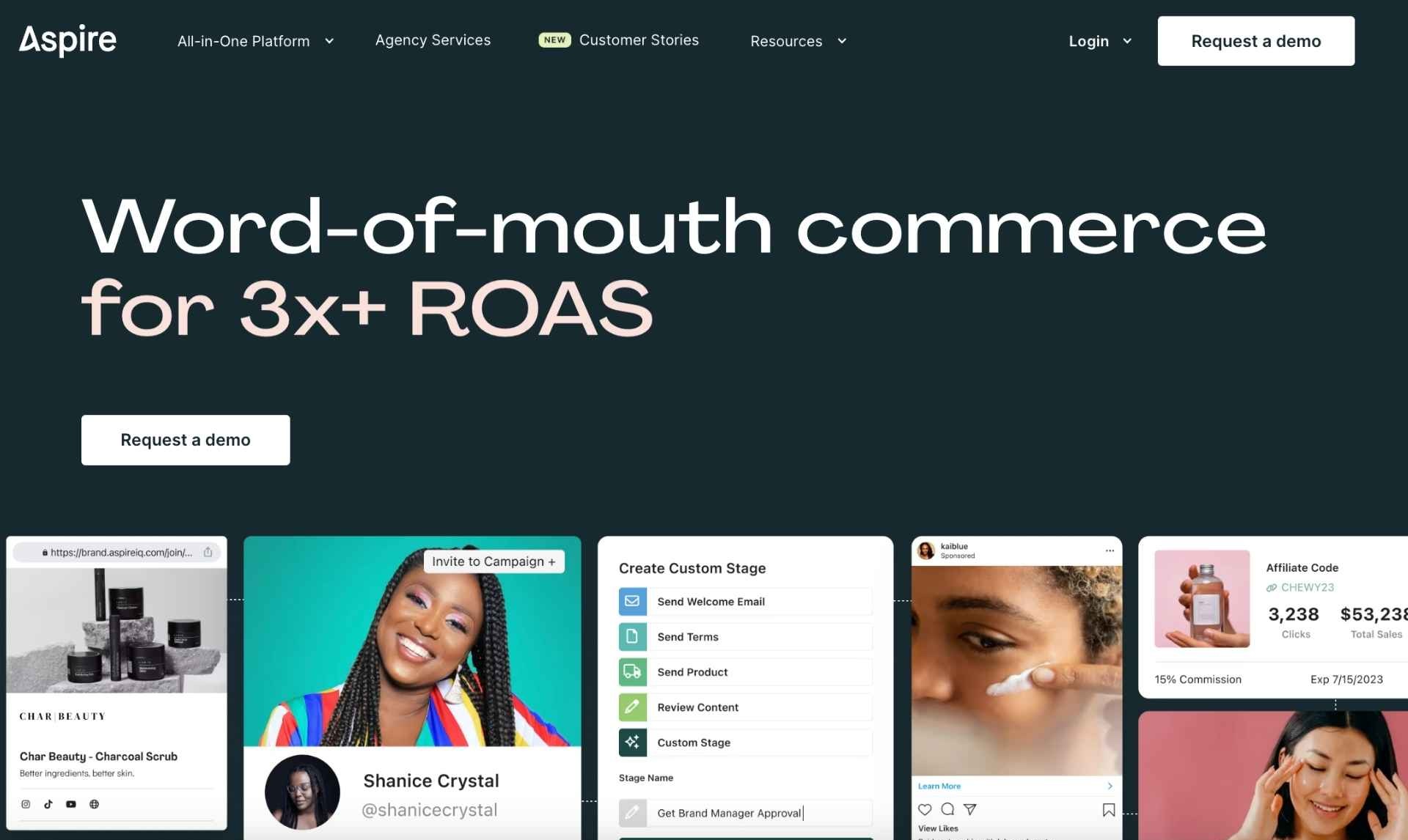
Aspire is an all-in-one influencer marketing platform built for ecommerce brands and agencies that want to manage creator partnerships, ambassador programs, and user-generated content at scale. The platform is widely adopted by mid-market and enterprise D2C brands looking to combine influencer discovery, relationship management, and performance tracking into a single workflow. Aspire focuses strongly on long-term creator relationships rather than one-off influencer activations.
Key Features
- Influencer Discovery: Provides access to a large creator database with advanced filtering options such as audience demographics, engagement metrics, brand affinity, and historical collaboration data.
- Influencer Outreach & Recruitment: Enables brands to automate creator applications, manage inbound influencer interest, and run scalable outreach campaigns directly within the platform.
- Influencer CRM: Centralizes creator conversations, collaboration history, deliverables, and partnership stages to help teams manage ambassador and affiliate programs efficiently.
- Product Seeding & Fulfillment: Allows ecommerce brands to send products directly to influencers while tracking shipment status and campaign participation.
- Affiliate & Sales Tracking: Integrates affiliate links and discount codes to measure creator-driven revenue and campaign ROI.
- UGC Management: Collects influencer-generated content automatically, making it easier for brands to reuse approved assets across paid ads and social channels.
Platform Coverage
Instagram, TikTok, YouTube, Facebook, Pinterest
Pricing
All plans are custom-made, with pricing typically starting at enterprise-level annual contracts depending on brand size and campaign requirements.
Reviews
4.0 / 5.0 (Capterra)
Standout Features
- Instagram & TikTok Creator Marketplace: Aspire combines inbound creator applications with AI-powered discovery, allowing brands to recruit creators actively applying to campaigns.
- Content Licensing & Paid Ads Integration: Helps brands turn influencer posts into paid social ads while managing usage rights directly inside the platform.
- Ambassador Program Automation: Designed for ecommerce scaling, enabling always-on creator programs instead of campaign-based influencer marketing.
SARAL vs Aspire
SARAL focuses primarily on influencer outreach and gifting workflows, making it well suited for lean D2C teams running product seeding campaigns. Aspire, on the other hand, is built for brands managing structured ambassador programs and multi-channel creator partnerships at scale.
While SARAL emphasizes simplicity and operational efficiency, Aspire provides broader campaign infrastructure including creator marketplaces, paid media integrations, and enterprise collaboration workflows. Brands transitioning from early-stage influencer programs often move toward Aspire when campaign complexity increases.
2. Influencity
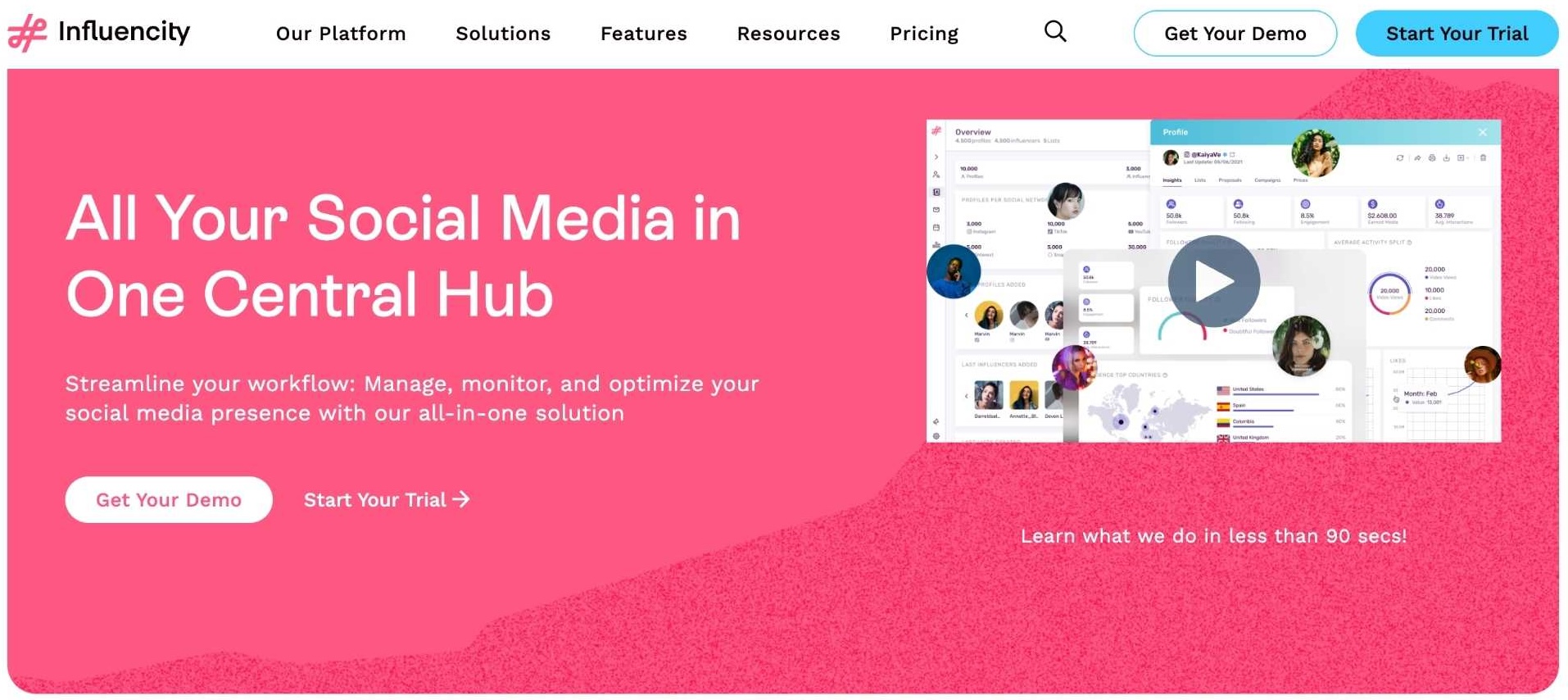
Influencity is a data-driven influencer marketing platform known for its strong analytics and audience intelligence capabilities. It is commonly used by agencies and performance-focused brands that prioritize influencer vetting, benchmarking, and measurable campaign outcomes. The platform combines influencer discovery, relationship management, and reporting within one analytics-heavy environment.
Key Features
- Advanced Influencer Search: Offers detailed audience insights including fake follower detection, audience credibility scoring, and demographic breakdowns.
- Campaign Management: Allows teams to manage influencer collaborations, assign deliverables, and monitor campaign progress from one dashboard.
- Influencer CRM: Tracks creator communication, negotiation stages, and long-term partnerships across campaigns.
- Product Seeding Support: Enables brands to organize gifting workflows tied to campaign tracking.
- Affiliate Tracking: Supports performance-based influencer campaigns through trackable links and measurable conversions.
- Performance Analytics: Provides benchmarking tools comparing influencer performance across industries and competitors.
Platform Coverage
Instagram, TikTok, YouTube, and X (Twitter)
Pricing
Professional Plan: $318/month or $3,816/year, with higher-tier enterprise plans available depending on usage and team size.
Reviews
4.3 / 5.0 (G2)
Standout Features
- Instagram Audience Quality Analysis: Deep audience credibility scoring helps brands avoid fake followers and low-quality creator partnerships.
- Cross-Platform Campaign Reporting: Aggregates performance data across TikTok, YouTube, and Instagram into unified analytics dashboards.
- Competitive Benchmarking Tools: Allows agencies to compare influencer campaign performance against market competitors.
SARAL vs Influencity
SARAL prioritizes operational workflows such as outreach automation and product gifting, while Influencity differentiates itself through advanced analytics and influencer vetting tools. Teams focused on performance marketing often prefer Influencity for deeper reporting capabilities.
Compared to SARAL’s relationship-driven approach, Influencity is more data-centric, making it particularly valuable for agencies running large influencer evaluations or ROI-focused campaigns.
3. CreatorIQ
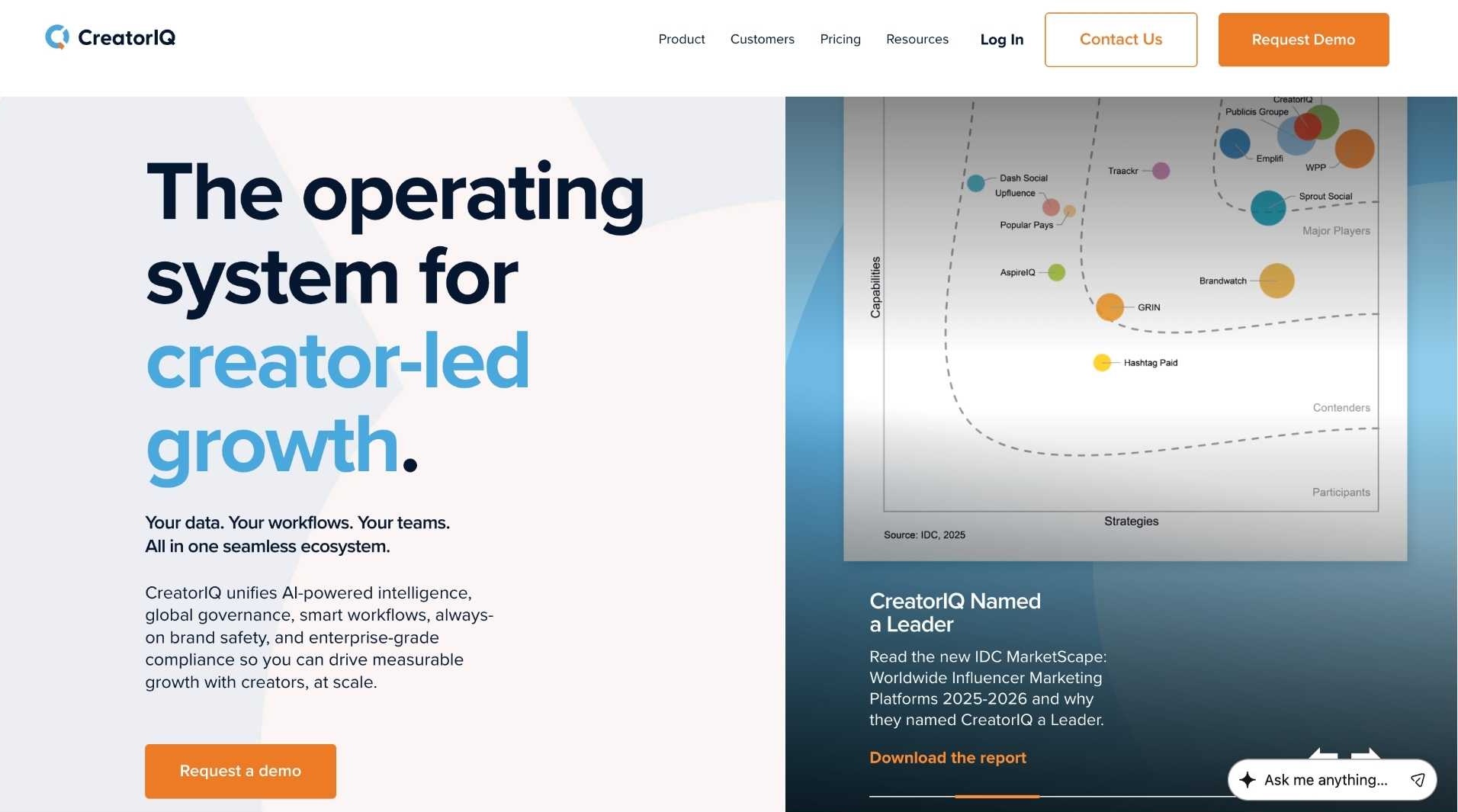
CreatorIQ is an enterprise influencer marketing platform used by global brands managing large-scale creator ecosystems. The platform emphasizes data compliance, workflow customization, and enterprise integrations, making it popular among Fortune 500 companies and multinational agencies.
Key Features
- Enterprise Influencer Discovery: Uses AI-powered creator identification combined with first-party data integrations and social listening signals.
- Influencer Relationship Management: Enables large teams to manage creator contracts, approvals, and collaboration pipelines globally.
- Campaign Workflow Automation: Supports approval flows, budget tracking, and campaign governance across departments.
- Affiliate & Revenue Attribution: Tracks influencer-driven conversions and integrates with ecommerce and media measurement tools.
- UGC Tracking & Rights Management: Organizes influencer content libraries with licensing and usage tracking.
- API & Enterprise Integrations: Connects with CRM, ecommerce, and analytics systems used by enterprise marketing teams.
Platform Coverage
Instagram, TikTok, YouTube, X (Twitter)
Pricing
There are different plans available, with enterprise-level pricing customized based on company size and campaign scope.
Reviews
4.4 / 5.0 (Capterra)
Standout Features
- Enterprise Data Integrations: Connects influencer campaigns with business intelligence and paid media ecosystems.
- AI Creator Identification: Uses machine learning to discover creators already engaging with brand audiences organically.
- Global Campaign Governance: Designed for multi-market influencer operations requiring approvals and compliance tracking.
SARAL vs CreatorIQ
SARAL targets growing ecommerce brands needing efficient influencer outreach and gifting management, whereas CreatorIQ serves enterprise organizations running global influencer programs.
CreatorIQ provides significantly deeper customization, integrations, and governance features, but often comes with higher complexity and implementation requirements compared to SARAL’s streamlined workflow approach.
4. Influencer Hero
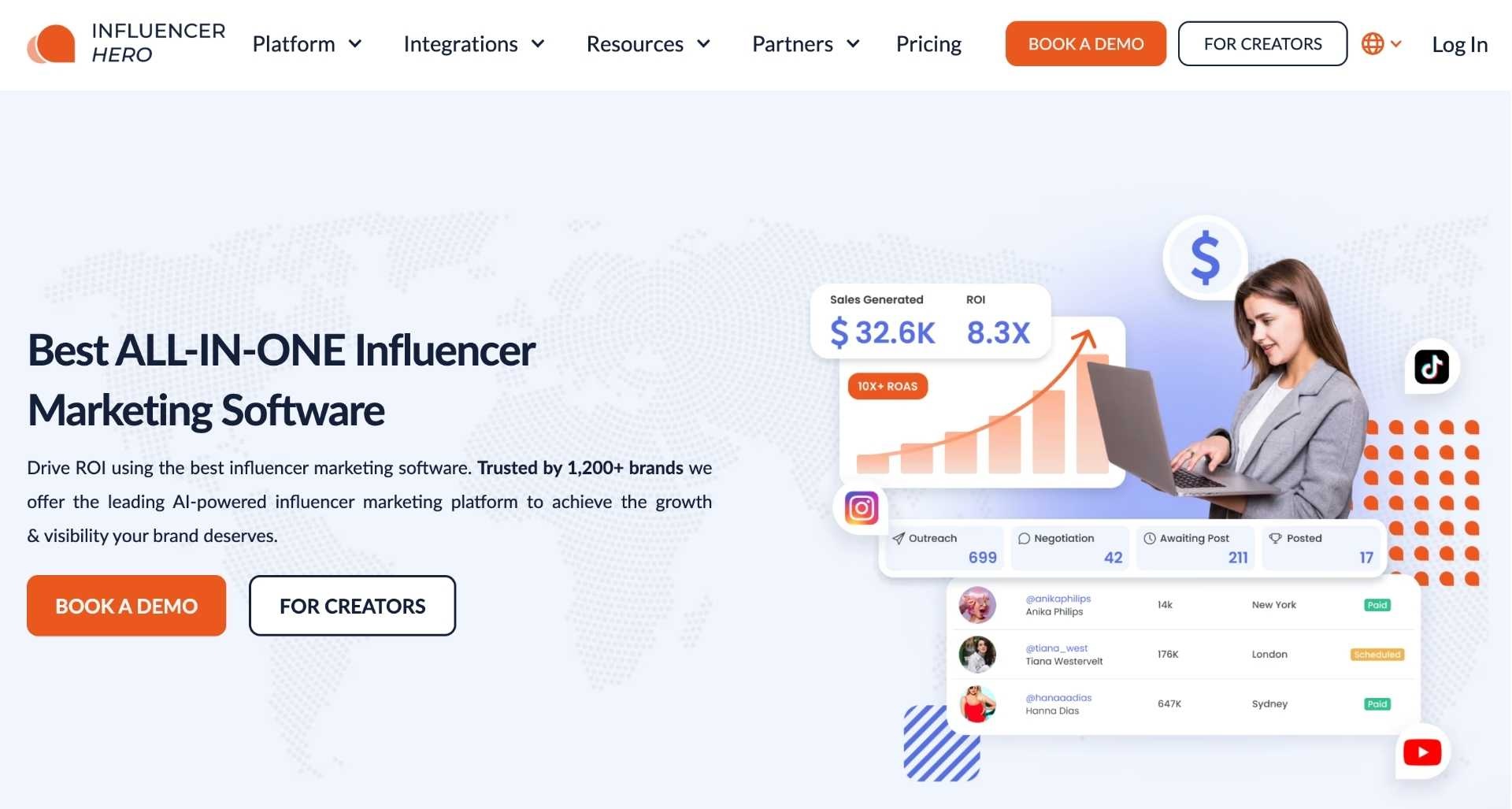
Influencer Hero is an all-in-one influencer marketing CRM built for D2C brands and agencies that want to scale creator programs with automation, performance tracking, and ecommerce integrations in one platform. Unlike outreach-focused tools, Influencer Hero combines discovery, relationship management, gifting, affiliate tracking, payments, and reporting into a unified workflow designed for high-volume influencer operations. The platform is particularly suited for ecommerce teams prioritizing measurable ROI and long-term creator partnerships rather than one-off campaigns.
Key Features
- Advanced Influencer Discovery Engine: Enables brands to find creators using detailed filters such as audience demographics, engagement rate, follower quality, interests, and location, alongside fake follower detection and AI-powered lookalike creator recommendations. Includes a Chrome extension that allows teams to import creators directly while browsing Instagram, TikTok, or YouTube.
- Automated Outreach & AI Personalization: Supports bulk or one-to-one outreach with smart email templates, drip sequences, reply tracking, and AI-generated personalization to improve response rates while maintaining authentic communication at scale.
- Influencer CRM & Workflow Automation: Visual relationship boards track outreach stages, contracts, deliverables, and campaign progress, while AI-driven automation suggests next actions and triggers follow-ups automatically.
- Gifting & Product Seeding Automation: Native Shopify and WooCommerce integrations automate product fulfillment, shipping tracking, and confirmation workflows, with script-based integrations available for custom ecommerce setups.
- Affiliate Management & Payments: Generates creator-specific links and discount codes while tracking conversions, commissions, and influencer-driven revenue, with automated payout workflows tied to ecommerce integrations.
- UGC Collection & Content Library: Automatically collects influencer posts, tags high-performing content, and enables easy downloading for paid ads, social media reuse, and ecommerce merchandising.
- Real-Time Reporting & ROI Analytics: Provides dashboards showing clicks, affiliate sales, UGC performance, and ROI per influencer, with exportable reports for stakeholders.
- Application Pages & Creator Storefronts: Brands can launch campaign landing pages where creators apply directly, while influencers promote products through customizable storefronts connected to affiliate tracking.
Platform Coverage
Instagram, TikTok, YouTube, Facebook, Pinterest, Snapchat, X (Twitter), Twitch
Pricing
Influencer Hero offers scalable pricing depending on outreach volume:
- Standard Plan — $649/month for 1,000 reachouts/month
- Pro Plan — $1,049/month for 5,000 reachouts/month
- Business Plan — $2,490/month for 10,000 reachouts/month
- Custom / Agency Plan — Custom pricing
Commitment options include monthly, quarterly, or annual billing, meaning no mandatory long-term enterprise contract is required and you can have unlimited creators in your CRM with Influencer Hero
Reviews
5.0 / 5.0 (Capterra)
Standout Features
- AI-Powered Influencer CRM Automation (Instagram, TikTok, YouTube): Influencer Hero’s CRM doesn’t just store creator data—it automates campaign execution with AI-suggested follow-ups, workflow triggers, and predictive success scoring, allowing brands to manage thousands of creators simultaneously without manual tracking.
- Multi-Platform Ecommerce & Gifting Infrastructure: One of the few platforms supporting Shopify, WooCommerce, and custom ecommerce integrations through embedded scripts, enabling automated product seeding, affiliate tracking, and revenue attribution regardless of store setup.
- AI-Powered UGC Search & Content Intelligence: Uses AI to locate influencer-generated content based on keywords, visuals, captions, or campaign context, helping teams quickly identify top-performing UGC for paid ads, social media, and ecommerce usage.
SARAL vs Influencer Hero
SARAL primarily focuses on simplifying influencer outreach and product gifting workflows for smaller teams running seeding campaigns. Influencer Hero expands this model into a full influencer marketing operating system, combining discovery, CRM automation, affiliate tracking, storefronts, payments, and analytics within one ecosystem.
While SARAL works well for managing outreach pipelines, Influencer Hero is designed for brands scaling long-term creator programs across multiple channels and markets. Teams often choose Influencer Hero when they need deeper automation, multi-platform ecommerce integrations, and ROI visibility tied directly to influencer-driven revenue rather than outreach execution alone.
5. GRIN
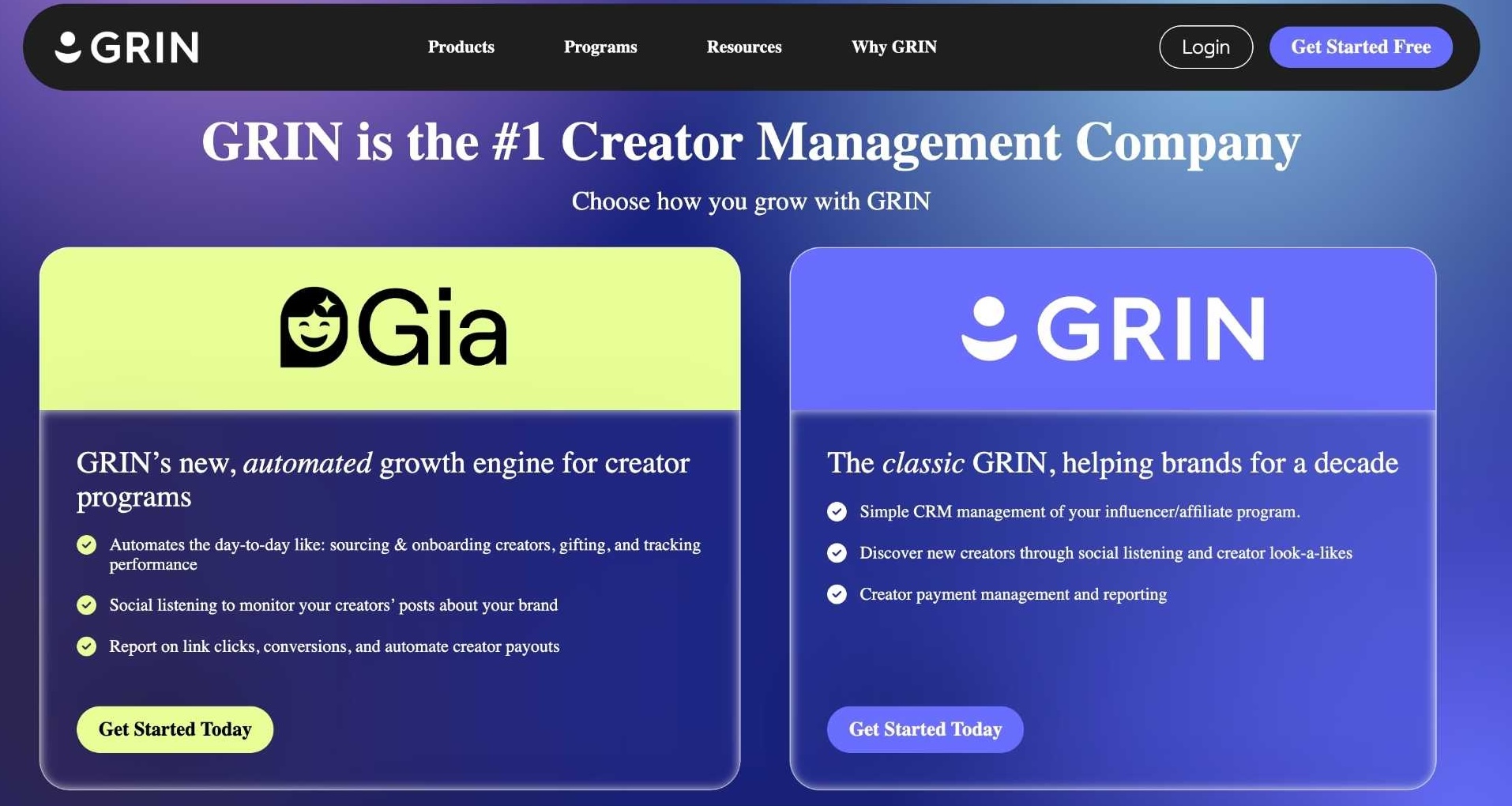
GRIN is an influencer marketing platform built primarily for ecommerce brands running creator and affiliate programs tied closely to online store performance. The platform integrates deeply with ecommerce systems, allowing brands to manage influencers similarly to customer acquisition channels.
Key Features
- Influencer Discovery: Helps brands identify creators already mentioning or engaging with their products organically.
- Creator Relationship Management: Centralizes communication, contracts, and collaboration tracking across influencer campaigns.
- Product Seeding & Fulfillment: Automates product gifting directly through ecommerce integrations.
- Affiliate Marketing Tools: Generates affiliate links and discount codes connected to revenue attribution dashboards.
- UGC Management: Tracks influencer posts and stores reusable content for marketing teams.
- Ecommerce Integrations: Connects influencer performance directly with Shopify and other ecommerce platforms.
Platform Coverage
Instagram, TikTok, YouTube, Twitch, X (Twitter)
Pricing
Annual pricing starts at approximately $25,000 per year, typically sold under annual contracts.
Reviews
4.5 / 5.0 (G2)
Standout Features
- Shopify-Native Influencer Workflows: Enables direct product sending and sales attribution from ecommerce stores.
- Creator Revenue Attribution: Tracks influencer impact across the full customer purchase journey.
- UGC-to-Commerce Connection: Allows influencer content to be reused across ecommerce storefronts and paid campaigns.
SARAL vs GRIN
SARAL simplifies influencer outreach and gifting operations, while GRIN positions influencer marketing as a measurable ecommerce acquisition channel. GRIN’s deeper ecommerce integrations make it more suitable for brands prioritizing revenue attribution.
Compared to SARAL’s lightweight workflow approach, GRIN offers stronger commerce integrations but often requires higher budget commitment and onboarding effort, making it better suited for scaling D2C brands.


6. Upfluence
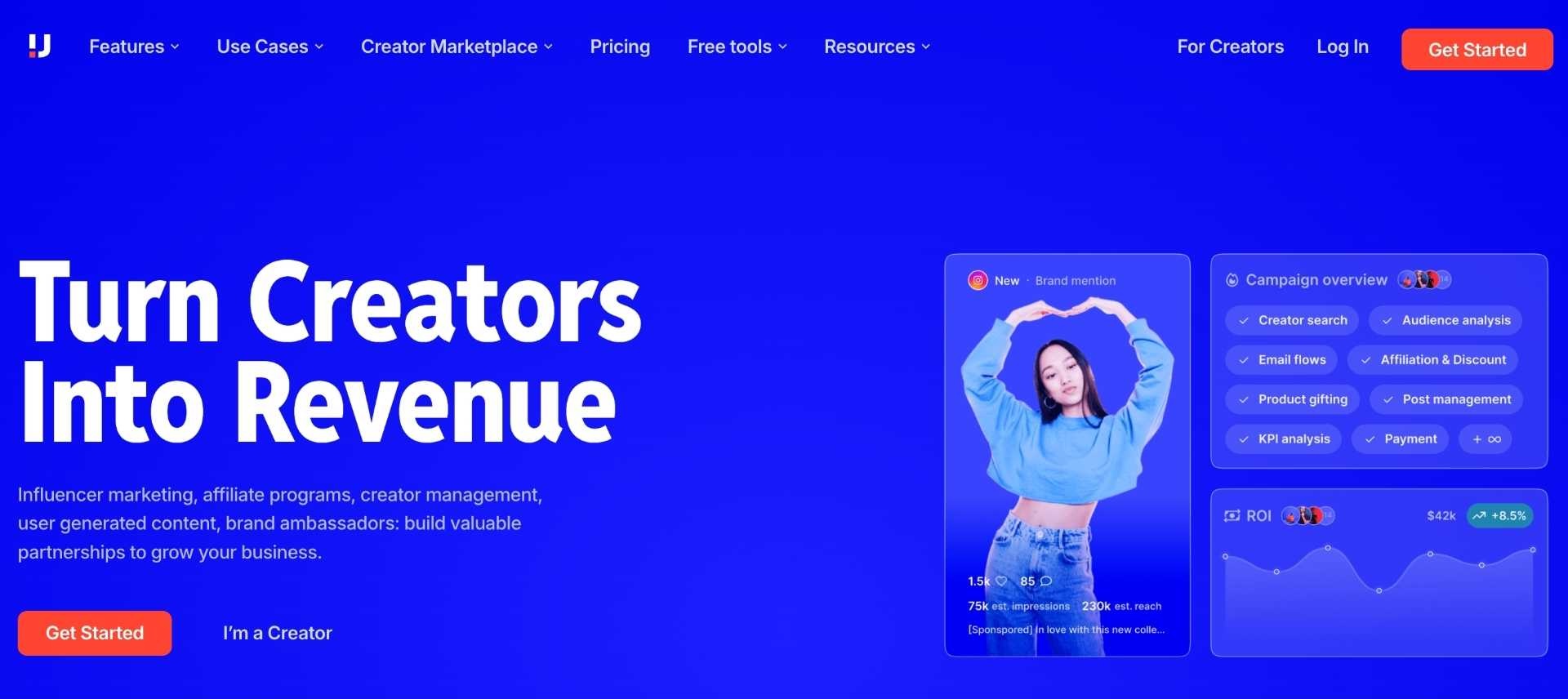
Upfluence is an influencer marketing platform built for ecommerce brands and agencies that want to connect influencer campaigns directly with revenue performance. The platform stands out for combining influencer discovery, CRM, affiliate tracking, and ecommerce integrations, making it popular among brands running performance-driven creator programs. Upfluence is often adopted by scaling D2C companies looking to manage influencer partnerships similarly to other acquisition channels.
Key Features
- Influencer Discovery Database: Provides access to a large creator database with filters for audience demographics, engagement metrics, location, and influencer relevance to brand audiences.
- Influencer Outreach Automation: Allows teams to send bulk outreach emails, manage conversations, and automate follow-ups directly inside the platform.
- Influencer CRM: Centralizes creator communication, negotiation history, and collaboration tracking to support long-term partnerships.
- Product Seeding & Gifting: Enables brands to send products to influencers while monitoring fulfillment and campaign participation.
- Affiliate & Sales Tracking: Integrates affiliate links and discount codes tied directly to ecommerce revenue attribution.
- UGC Tracking: Tracks influencer-generated content and campaign deliverables to evaluate performance and reuse assets.
Platform Coverage
Instagram, TikTok, YouTube, X (Twitter), Pinterest, Twitch, WordPress
Pricing
All plans are custom-built with a minimum one-year commitment, billed through monthly payments. Pricing typically starts at around $2,000/month ($24,000 annually).
Reviews
4.3 / 5.0 (Capterra)
Standout Features
- Shopify & Amazon Influencer Attribution: Connects influencer performance directly to ecommerce revenue, allowing brands to track influencer-driven purchases in real time.
- Live Customer-to-Creator Identification: Detects influencers already purchasing from or interacting with your brand, improving outreach conversion rates.
- Affiliate + Influencer Program Unification: Combines influencer marketing and affiliate management into one performance-focused workflow.
SARAL vs Upfluence
SARAL focuses primarily on outreach automation and gifting workflows designed for lean influencer teams. Upfluence expands beyond outreach by integrating ecommerce sales attribution and affiliate performance tracking at a deeper level.
Brands often move toward Upfluence when influencer marketing becomes a measurable acquisition channel rather than a seeding initiative. Compared to SARAL’s operational simplicity, Upfluence offers stronger commerce integrations but comes with higher cost and longer contractual commitments.
7. IZEA
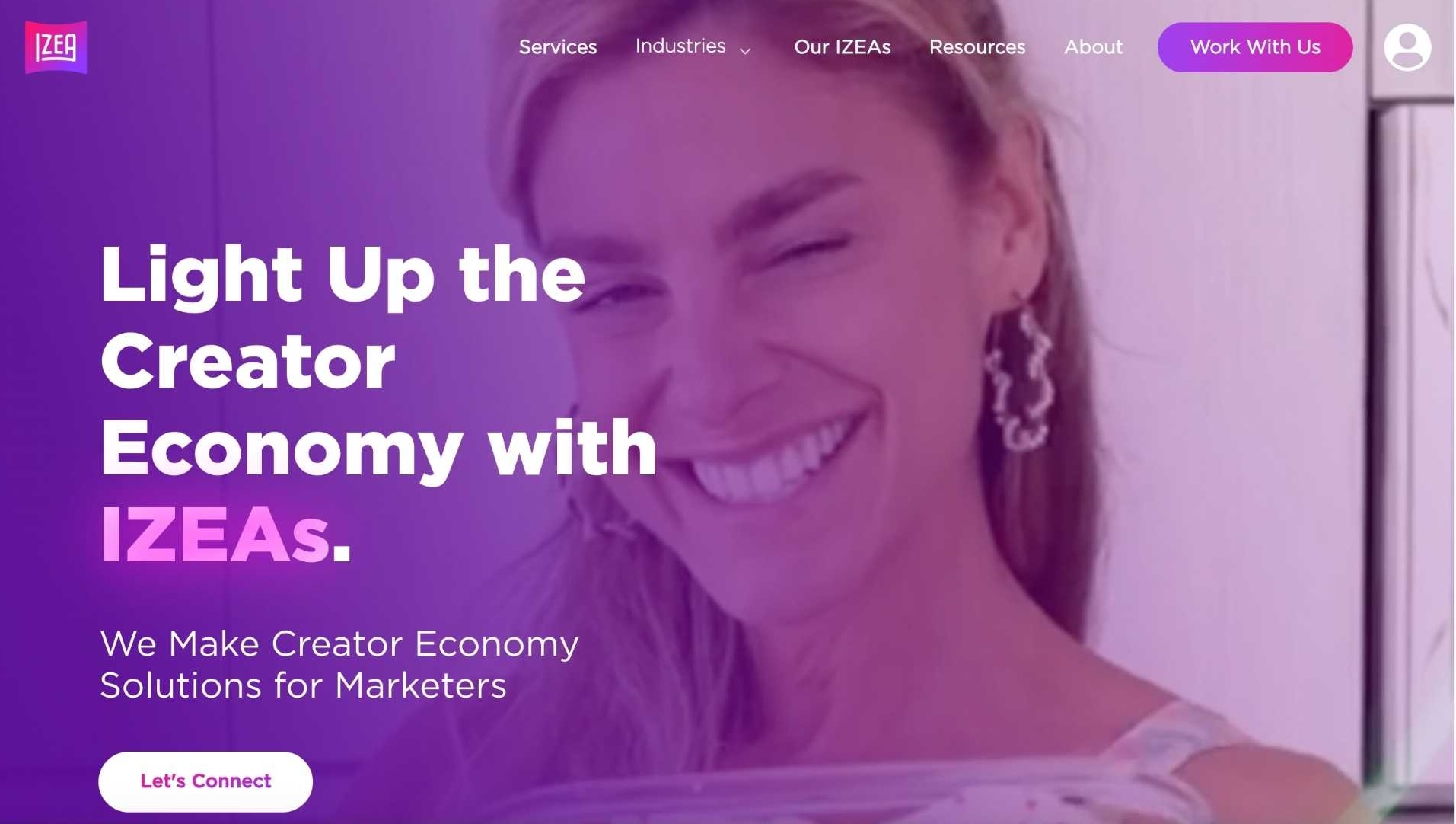
IZEA is one of the longest-standing influencer marketing platforms, offering a creator marketplace alongside campaign management and content collaboration tools. The platform connects brands with influencers, content creators, and publishers through both managed campaigns and self-service workflows. IZEA is commonly used by enterprise brands running sponsored content and creator-driven advertising initiatives.
Key Features
- Creator Marketplace Discovery: Allows brands to browse opt-in creators actively seeking brand collaborations across multiple social platforms.
- Influencer Outreach & Collaboration: Facilitates communication, campaign negotiation, and deliverable management directly within the platform.
- Influencer CRM: Tracks creator relationships, agreements, and campaign participation across multiple activations.
- Product Seeding Support: Enables brands to manage influencer gifting as part of campaign execution.
- Affiliate Marketing Tools: Supports performance-based partnerships through trackable creator links.
- UGC & Content Workflow Management: Helps brands manage sponsored content approvals and publishing workflows.
Platform Coverage
Instagram, TikTok, YouTube, Facebook, Pinterest, Snapchat, Twitch, X (Twitter)
Pricing
Pricing is not publicly disclosed and varies depending on campaign scope and enterprise requirements.
Reviews
3.9 / 5.0 (G2)
Standout Features
- Opt-In Creator Marketplace: Gives brands access to creators actively applying for partnerships, reducing outbound prospecting needs.
- Content Licensing Management: Supports sponsored content usage rights and brand-safe collaboration workflows.
- Managed Campaign Marketplace: Allows brands to run campaigns with creator bidding and proposal submissions.
SARAL vs IZEA
SARAL emphasizes outbound influencer outreach and relationship management, while IZEA operates closer to a creator marketplace model. Brands using IZEA often rely on inbound creator applications rather than large-scale outreach automation.
Compared to SARAL’s ecommerce-focused workflows, IZEA is more campaign and sponsorship oriented, making it better suited for branded content initiatives rather than ongoing ambassador or gifting programs.
8. Sprout Social
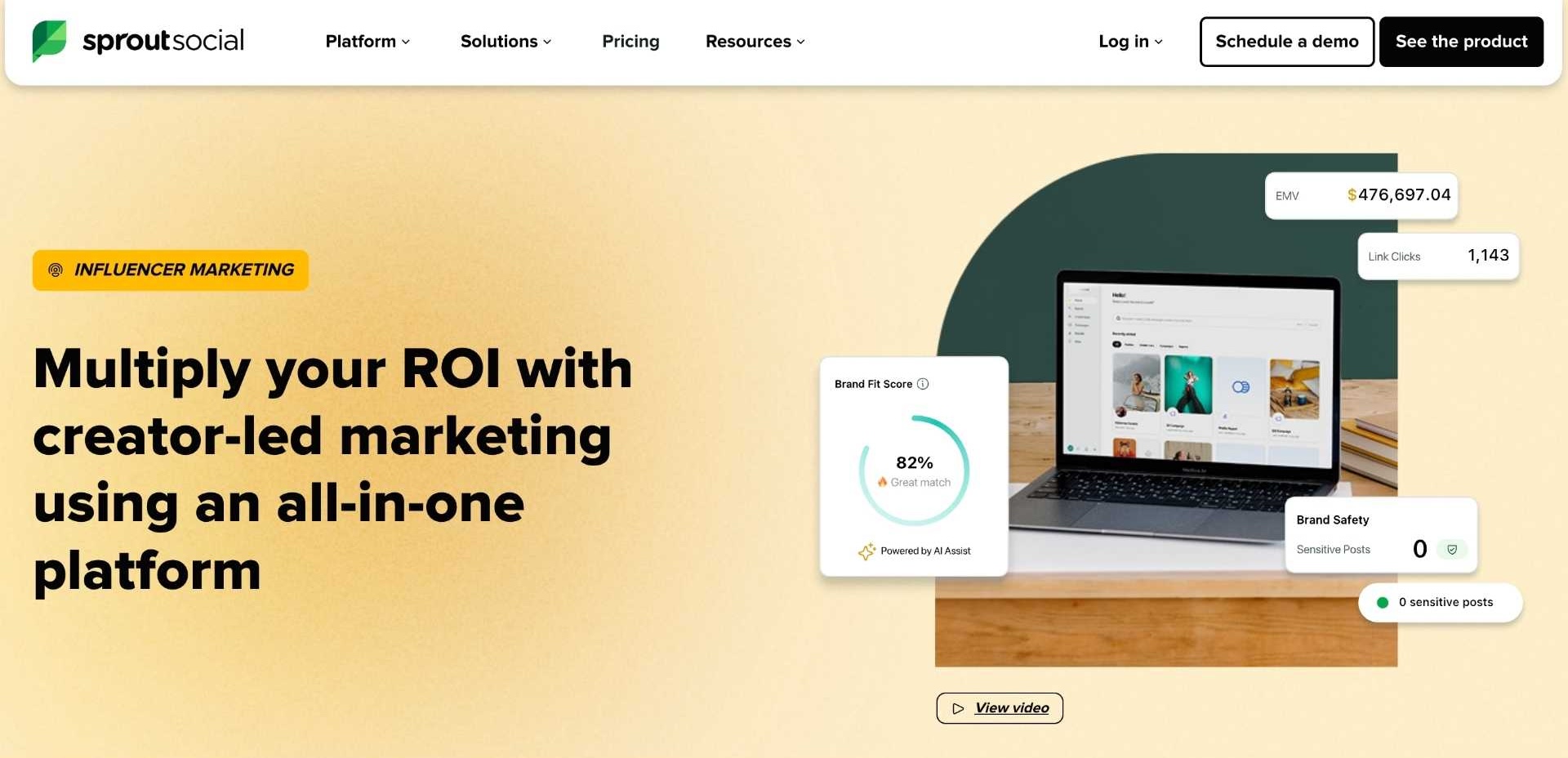
Sprout Social is an enterprise influencer marketing and social intelligence platform focused heavily on analytics and campaign performance insights. The platform is widely used by agencies and global brands needing deep audience data and campaign benchmarking across markets. Sprout Social combines influencer discovery with advanced reporting and brand safety analytics.
Key Features
- Influencer Discovery & Audience Analytics: Provides detailed audience demographics, brand affinity insights, and engagement quality analysis.
- Campaign Management & Outreach: Enables collaboration tracking, influencer communication, and campaign execution workflows.
- Influencer CRM: Organizes creator relationships and campaign deliverables across teams.
- Affiliate Tracking: Supports measurable influencer partnerships tied to campaign outcomes.
- Performance Reporting: Offers customizable dashboards and benchmarking tools for campaign evaluation.
- Social Listening Capabilities: Tracks trends and brand conversations to inform influencer selection.
Platform Coverage
Instagram, TikTok, YouTube, Facebook, Twitch, X (Twitter)
Pricing
Starting at approximately $2,500/month.
Reviews
4.7 / 5.0 (Capterra)
Standout Features
- Advanced Audience Intelligence (Instagram & TikTok): Provides deep psychographic and interest-based audience insights for creator vetting.
- Brand Affinity Analysis: Identifies influencers already aligned with competitor or industry audiences.
- Cross-Market Campaign Benchmarking: Enables agencies to compare influencer performance globally.
SARAL vs Sprout Social
SARAL is optimized for execution—outreach, gifting, and influencer communication—while Sprout Social prioritizes analytics and strategic planning. Sprout Social is typically chosen by agencies needing deep reporting rather than operational automation.
Brands looking for actionable audience intelligence may prefer Sprout Social, whereas SARAL remains more accessible for teams focused on running influencer campaigns efficiently.
9. Captiv8
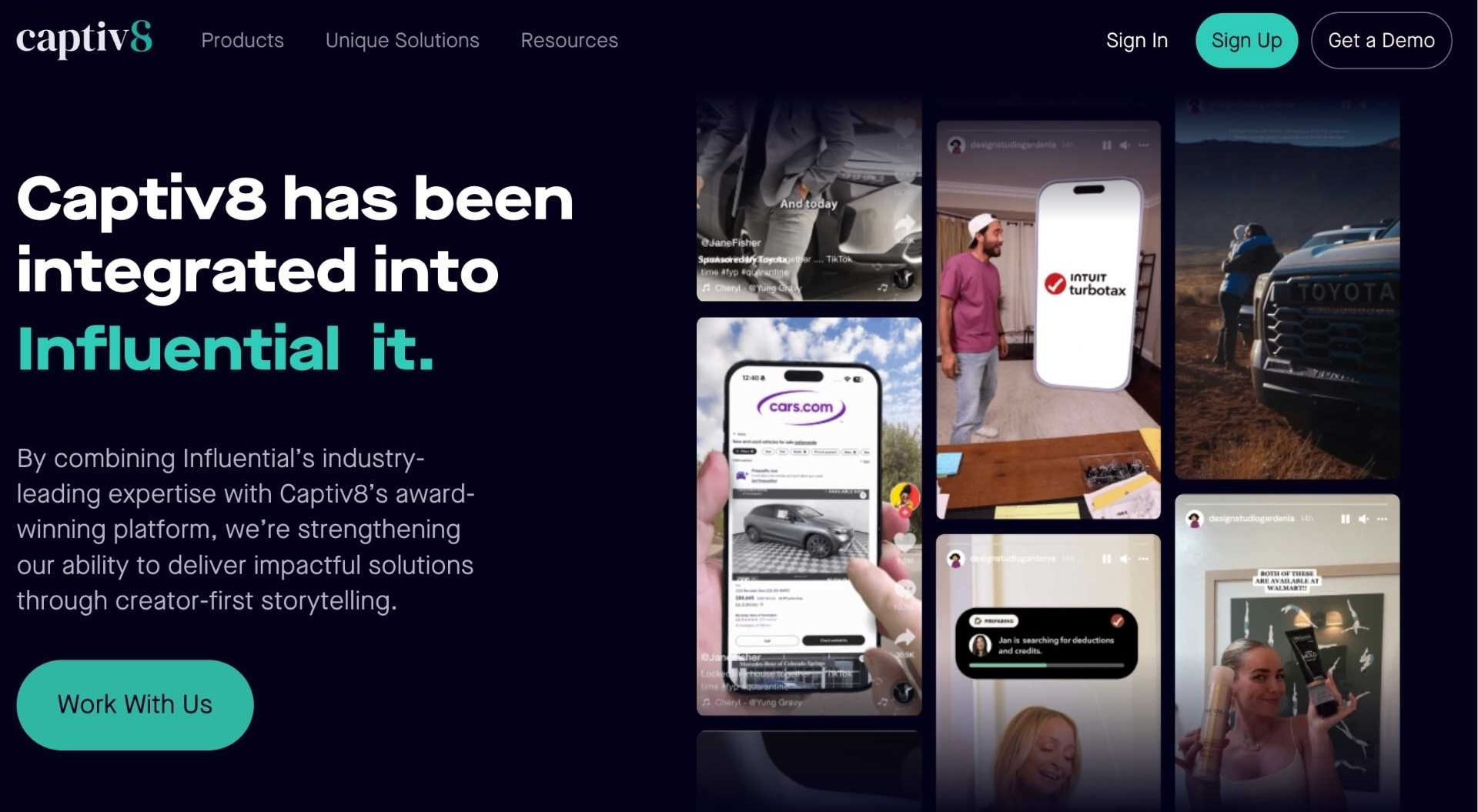
Captiv8 is an enterprise influencer marketing platform designed for large brands and agencies managing global creator campaigns. The platform combines influencer discovery, campaign execution, social listening, and paid media amplification into one ecosystem. Captiv8 is frequently used by enterprise marketing teams running multi-market influencer strategies.
Key Features
- AI Influencer Discovery: Searches creators using audience demographics, engagement data, and brand alignment signals.
- Influencer Outreach & Campaign Management: Supports collaboration workflows and campaign approvals across teams.
- Influencer CRM: Tracks creator partnerships, contracts, and deliverables globally.
- Affiliate Tracking: Enables performance measurement across influencer activations.
- Social Listening & Insights: Monitors brand conversations and campaign impact.
- Paid Media Integration: Allows influencer content amplification through paid advertising channels.
Platform Coverage
Instagram, TikTok, YouTube, Facebook, Pinterest, Snapchat, Twitch, X (Twitter)
Pricing
Starting at approximately $2,000/month.
Reviews
4.7 / 5.0 (G2)
Standout Features
- Creator Commerce Integration: Connects influencer campaigns with media buying and performance marketing workflows.
- Unified Paid + Influencer Reporting: Measures organic and paid creator performance in one dashboard.
- Enterprise Campaign Governance: Built for multi-region influencer campaign coordination.
SARAL vs Captiv8
SARAL targets growing ecommerce teams focused on outreach and product seeding efficiency, while Captiv8 serves enterprise organizations running complex global influencer programs.
Captiv8 offers broader analytics and paid media integrations, but typically requires higher budgets and onboarding effort compared to SARAL’s streamlined campaign execution approach.
10. Modash
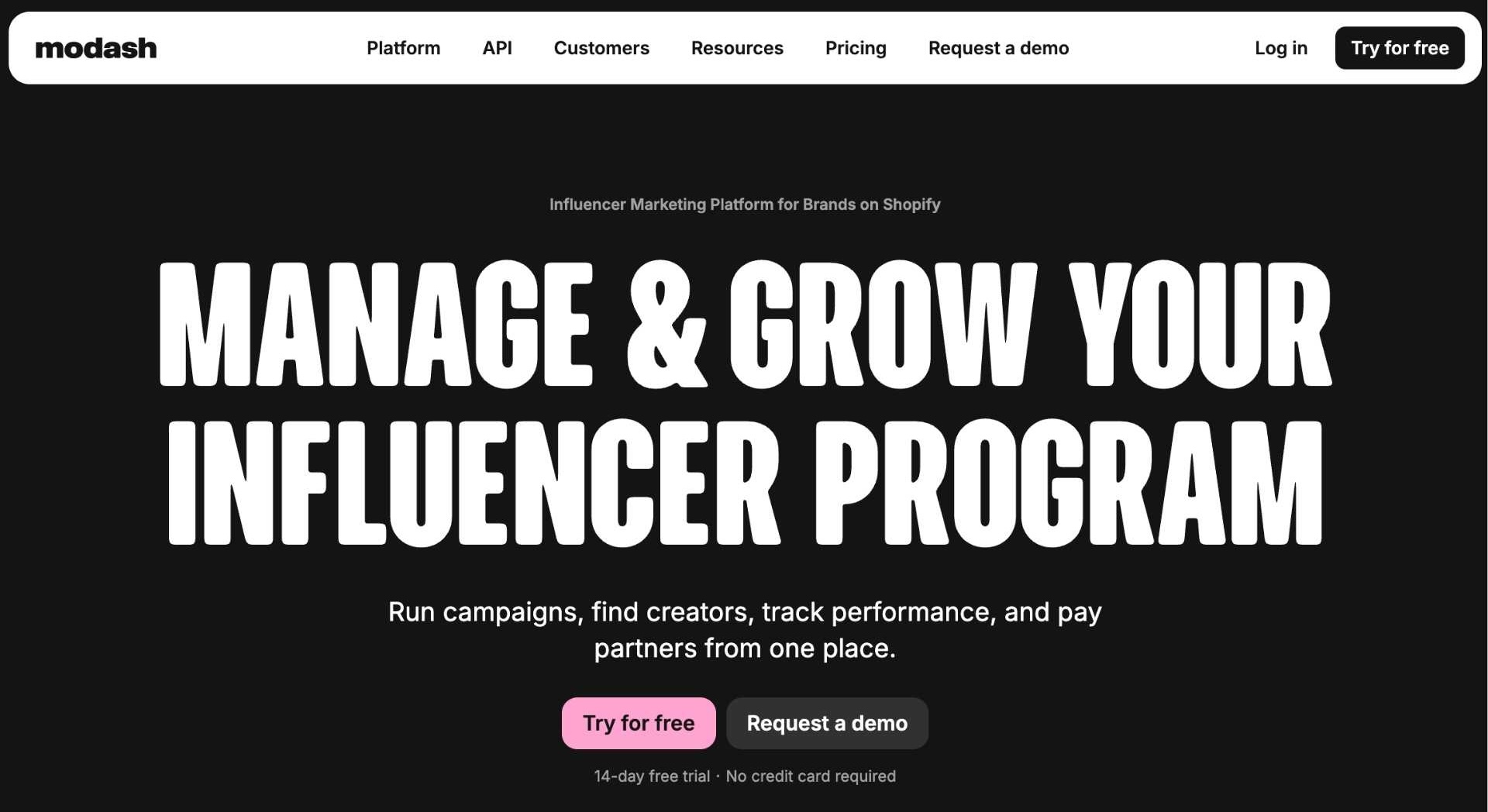
Modash is an influencer marketing platform known for its strong creator discovery database and transparent analytics, particularly among ecommerce brands and performance marketers. The platform emphasizes influencer vetting, scalable outreach, and Shopify-focused integrations, making it a popular option for D2C brands scaling creator partnerships.
Key Features
- Influencer Discovery Database: Offers detailed creator search with filters for audience demographics, engagement rate, fake follower detection, and niche targeting.
- Influencer Outreach Tools: Allows teams to manage outreach communication and collaboration workflows directly in-platform.
- Influencer CRM: Tracks partnerships, communication history, and campaign progress.
- Product Seeding Management: Supports gifting workflows connected to influencer collaborations.
- Affiliate Tracking: Generates trackable links tied to ecommerce performance.
- UGC Tracking & Monitoring: Automatically tracks influencer posts and campaign content.
Platform Coverage
Instagram, TikTok, YouTube
Pricing
- Essential Plan: Starts at $199/month (billed annually) — contact up to 100 creators/month
- Performance Plan: Starts at $499/month (billed annually) — contact up to 250 creators/month with Shopify integration
- Enterprise Plan: Custom pricing based on brand requirements
Reviews
4.9 / 5.0 (Capterra)
Standout Features
- Large Creator Database (Instagram, TikTok, YouTube): Provides transparent influencer analytics without requiring creator opt-in.
- Shopify Performance Integration: Connects influencer collaborations directly to ecommerce sales tracking.
- Audience Authenticity Detection: Advanced fake follower and audience quality analysis improves influencer vetting.
SARAL vs Modash
SARAL focuses on influencer relationship workflows and outreach automation, whereas Modash differentiates itself through discovery depth and creator analytics transparency.
Brands prioritizing influencer sourcing and vetting often choose Modash, while SARAL is better suited for teams already focused on executing outreach and managing gifting campaigns efficiently.
Final Thoughts on SARAL Alternatives
Choosing the right influencer marketing platform ultimately depends on how mature your creator program is and what operational challenges your team is trying to solve. SARAL remains a strong option for brands focused on outreach automation and product seeding, but many businesses explore SARAL alternatives when they need deeper analytics, broader influencer discovery, stronger ecommerce integrations, or enterprise-level campaign management. Platforms like Aspire, GRIN, and Upfluence emphasize commerce-driven influencer programs, while tools such as CreatorIQ, Sprout Social, and Captiv8 cater more to large organizations requiring advanced reporting and global campaign oversight.
At the same time, solutions like Influencity, Modash, and Influencer Hero highlight how influencer marketing software is evolving toward automation, AI-powered workflows, and measurable ROI tracking across multiple social platforms. As influencer marketing continues to integrate more closely with performance marketing and customer acquisition strategies, brands and agencies benefit from evaluating platforms based on scalability, integrations, and long-term relationship management capabilities. Reviewing these 10 SARAL alternatives helps marketers identify the platform that best aligns with their campaign complexity, team structure, and growth objectives.