

Statusphere Pricing Explained: Plans, Features & Review
Statusphere is an influencer marketing platform built to help brands scale product seeding and UGC campaigns with vetted micro-influencers. For agencies and brands, it offers a managed approach that reduces manual work around creator sourcing, fulfillment, content rights, and campaign tracking. However, its custom pricing and hands-off model may not fit every influencer marketing strategy.
In this article, we break down Statusphere’s pricing, features, reviews, strengths, and limitations to help you decide whether it is the right platform for your team.
Statusphere Pricing
Statusphere does not publish fixed plan prices. Its pricing is custom and depends on creator volume, creative needs, product type, niche targeting, and campaign scope, with initial investments starting at $10,000. The platform uses a credit-based model, where credits can be used for creator actions such as TikTok posts, product seeding, or YouTube Shorts. Brands can add more credits as they scale.
There are no publicly listed Starter, Pro, or Enterprise tiers. Instead, brands need to request a demo or talk to sales for a quote. Independent software listings also show Statusphere as “contact vendor” pricing.
Free Trial
No free trial is publicly available.
Contract
Contract length is not publicly disclosed. Pricing is handled through a custom sales process.
Statusphere Overview
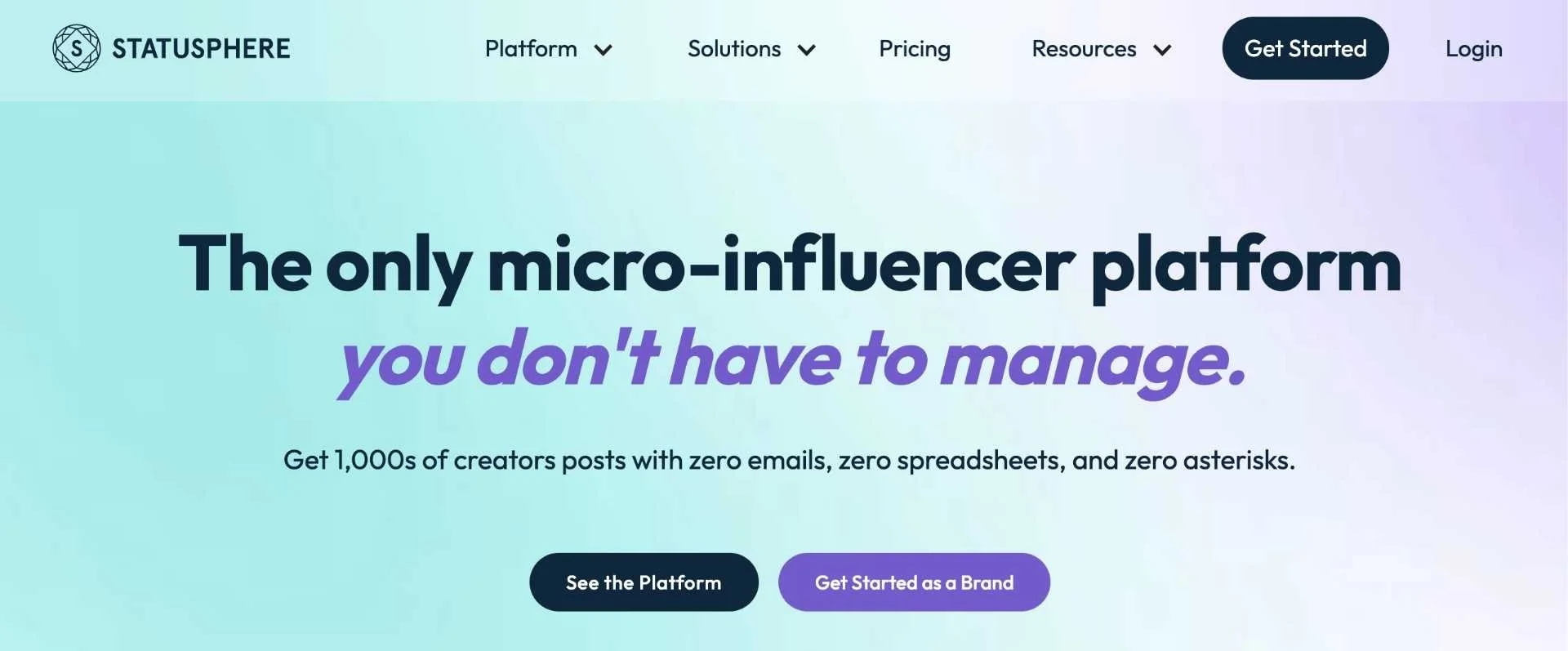
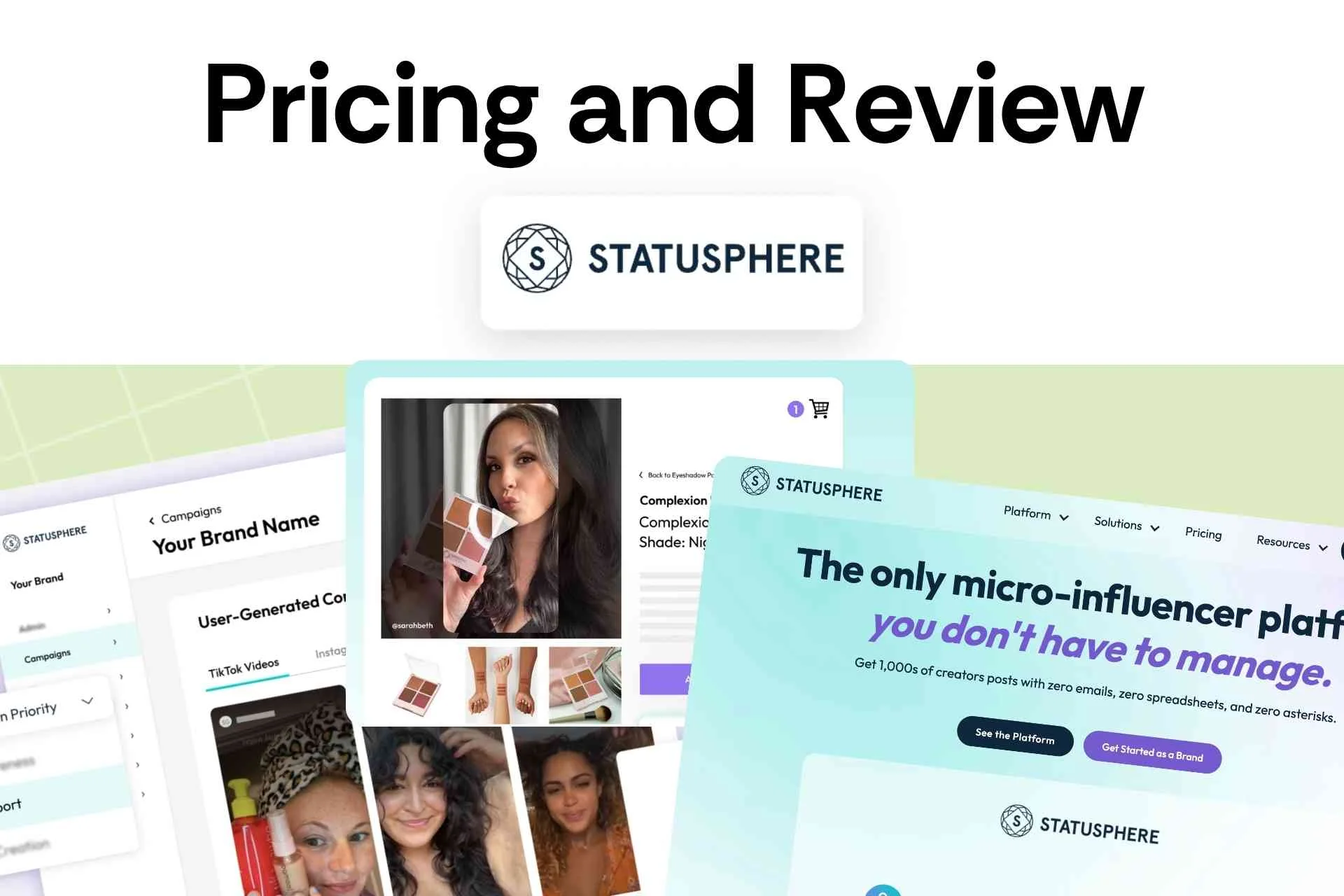
Statusphere is a micro-influencer marketing platform built for consumer brands that want guaranteed creator content at scale. Instead of functioning only as a discovery database, it manages creator matching, product fulfillment, briefing, contracts, content rights, reporting, and campaign logistics. Its positioning is strongest around helping brands generate hundreds or thousands of rights-ready UGC posts without managing each creator manually.
Key Features
AI-powered campaign execution
Statusphere’s StevieOps™ is positioned as an AI campaign operator that handles creator sourcing, logistics, fulfillment, and campaign management so teams can reduce manual influencer work.
Vetted nano and micro-influencer network
The platform focuses on matching brands with vetted creators rather than asking teams to manually search a public influencer database.
300+ first-party targeting parameters
Brands can target creators using demographic, shopping preference, hobby, and other first-party creator data points.
Product seeding and fulfillment
Statusphere manages creator checkout, fulfillment, shipping, tracking, custom kitting, box inserts, and creative brief distribution. It also states 48-hour shipments and 99.9% shipment accuracy.
Built-in agreements and usage rights
Campaigns include automated partnership agreements and rights-ready creator content, making it easier for brands to repurpose posts across owned and paid channels.
Reporting portal
Brands can track real-time metrics, aggregate reporting, weekly snapshot emails, new post alerts, content performance, and ad content recommendations.
Hands-off creator management
Statusphere handles creator management, payments, content review, and briefing, meaning brands do not need to communicate one-to-one with each creator.
Best For
Statusphere is best for consumer brands that need scalable UGC and product seeding, especially in beauty, cosmetics, skincare, food and beverage, CPG, fashion, home goods, family, parenting, and pet categories. It fits teams that want more content volume and less manual creator coordination, rather than teams that want full control over every individual influencer relationship.
Reviews
4.7/5.0 (G2)
Users commonly praise ease of use, streamlined campaign setup, strong support, creator matching, and scalable UGC production.
Statusphere Standout Features
StevieOps™ AI campaign operator
Statusphere’s biggest differentiator is that it is not just a search tool. Its AI-powered campaign operator is designed to run the logistics of influencer campaigns, including creator sourcing, fulfillment, and campaign execution.
Guaranteed, rights-ready content at scale
Statusphere is built around predictable post volume, with rights-ready content that brands can repurpose across social, paid ads, PDPs, and other marketing channels.
Managed product seeding and fulfillment
The platform’s owned fulfillment workflow, creator checkout experience, 48-hour shipping, custom kitting, and campaign reporting make it especially strong for brands that send physical products to creators.
Statusphere Limitations
No transparent public pricing
Statusphere does not list fixed monthly or annual plan costs, which makes it harder for brands to compare budget fit before speaking with sales.
No free trial
Brands cannot test the full platform through a publicly available free trial.
Credit system can feel confusing
Some users find the credit-based model difficult to understand and would prefer clearer calculators, planning tools, or content calendars.
Limited creator selection control
Some teams want more ability to hand-pick creators for specific campaigns, rather than relying mainly on automated matching.
Campaign timing may require planning
Campaign start dates can be less flexible, so brands may need to align launches around available campaign windows.
Content management could be deeper
Users have requested better tagging, folders, ratings, feedback workflows, and access to raw video versions for repurposing content across multiple use cases.


Is Statusphere Worth It?
For brands focused on generating large volumes of authentic UGC through product seeding, Statusphere is one of the most streamlined solutions on the market. Its biggest advantage is that it removes much of the manual work associated with influencer marketing by handling creator sourcing, matching, fulfillment, contracts, and campaign management on behalf of brands.
However, Statusphere is not the best fit for every business. Brands that want complete control over influencer selection, direct creator negotiations, affiliate management, or advanced influencer discovery may find the platform somewhat restrictive. The lack of public pricing and free trial options can also make it difficult to evaluate before committing.
Statusphere may not be ideal for:
- B2B companies and service-based businesses that do not rely on product seeding.
- Brands looking to manually discover and recruit influencers from a large public database.
- Companies focused heavily on affiliate marketing, creator payments, or revenue attribution.
- Small businesses with limited budgets that need transparent monthly pricing.
- Teams that require extensive customization and direct communication with creators.
For brands whose primary goal is scalable UGC production and hands-off influencer campaigns, Statusphere delivers strong value. However, businesses that need deeper discovery capabilities, more flexible campaign management, or stronger eCommerce integrations may find alternatives better suited to their needs.
Alternatives That May Fit Better
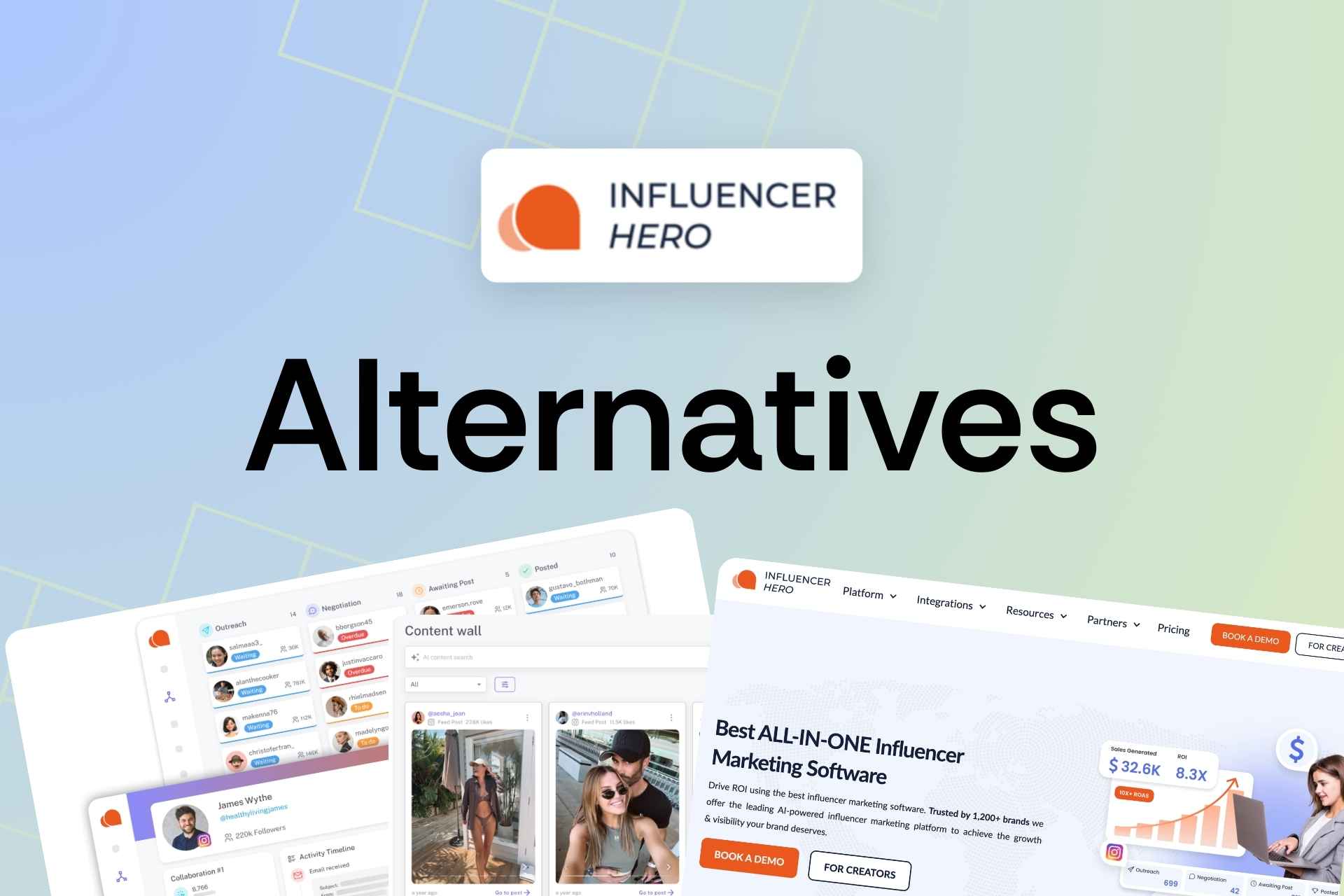
- Influencer Hero – Best for brands looking for an all-in-one platform with influencer discovery, automated outreach, gifting, affiliate tracking, UGC management, and flexible pricing without long-term enterprise commitments.
- Afluencer – A practical solution for brands looking to connect with influencers through a marketplace rather than a full-scale influencer CRM platform.
- Aspire – Well suited for brands that want both outbound influencer recruitment and access to a large inbound creator marketplace, combined with strong workflow automation.
- CreatorIQ – Best for enterprise organizations requiring advanced reporting, global creator discovery, extensive CRM functionality, and large-scale influencer programs.
- HypeAuditor – A good option for teams focused on influencer vetting, audience quality analysis, fraud detection, and detailed creator analytics before launching campaigns.
Final Thoughts
Statusphere stands out as a specialized influencer marketing platform designed to help consumer brands scale product seeding and UGC creation with minimal manual effort. Its managed approach, AI-powered campaign operations, and extensive creator network make it particularly attractive for brands focused on awareness and content generation rather than hands-on influencer management.
However, the lack of transparent pricing, limited creator selection control, and emphasis on managed campaigns may not suit every business. If Statusphere doesn't align with your goals, budget, or workflow requirements, be sure to explore our guide to the best Statusphere Alternatives, where we compare leading platforms that offer stronger discovery tools, affiliate marketing features, CRM capabilities, and eCommerce integrations.