

Top 10 Influencer Marketing Platforms for Micro-Influencer Campaigns
Micro-influencers—typically creators with 10K to 100K followers—have become a core part of many influencer marketing strategies due to their higher engagement rates, niche audiences, and more cost-efficient collaborations compared to larger creators. For brands, they offer a scalable way to drive authentic awareness and conversions within specific communities. However, running micro-influencer campaigns at scale comes with operational challenges, from discovering the right creators to managing outreach, tracking deliverables, and measuring performance across dozens or even hundreds of partnerships. Relying on spreadsheets and manual workflows quickly becomes inefficient as programs grow. Influencer marketing platforms solve this by providing access to large creator databases, while centralizing discovery, communication, campaign management, and reporting in one place—making it significantly easier to execute and scale micro-influencer campaigns effectively .
In this article, we’ll explore Statusphere, Influencer Hero, Aspire, Afluencer, Influencity, Brandbassador, Tribe, Modash, Social Cat, and Heepsy.
Top Influencer Marketing Platforms for Micro-Influencer Campaigns
| TOOL | REVIEWS | BEST FOR | TRIAL INFO | PRICING | ||
|---|---|---|---|---|---|---|
1 |

|
⭐ | Micro-Influencer Scale | Book Demo | Pricing | Website |
2 |

|
⭐ | Influencer CRM & automation | Book Demo | Pricing | Website |
3 |

|
⭐ | Influencer partnerships | Book Demo | Pricing | Website |
4 |

|
⭐ | Influencer marketplace campaigns | Book Demo | Pricing | Website |
5 |

|
⭐ | Campaign management | Book Demo | Pricing | Website |
6 |

|
⭐ | Ambassador Marketing | Book Demo | Pricing | Website |
7 |

|
⭐ | Ambassador Marketing | Book Demo | Pricing | Website |
8 |

|
⭐ | Influencer discovery | Book Demo | Pricing | Website |
9 |

|
⭐ | Micro-Influencer Campaigns | Book Demo | Pricing | Website |
10 |

|
⭐ | Influencer discovery | Book Demo | Pricing | Website |
1. Statusphere
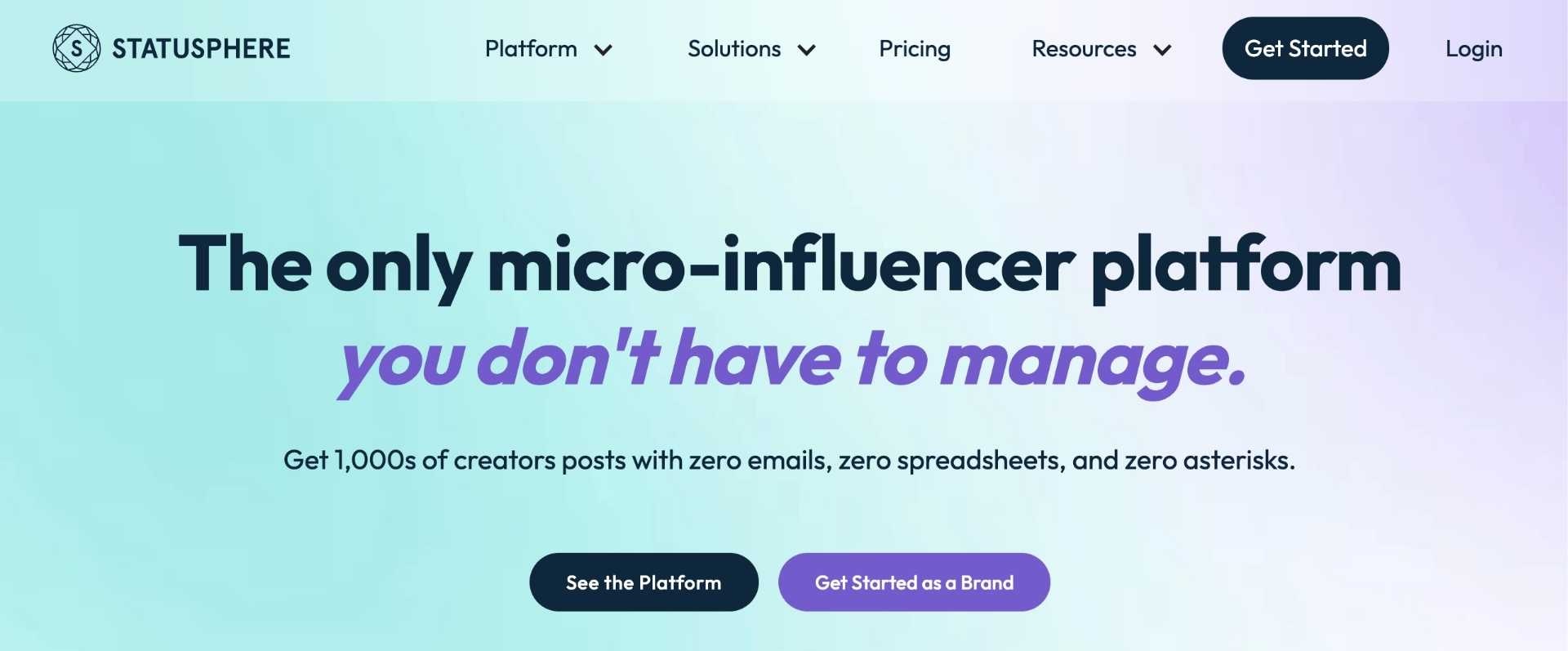
Statusphere is built specifically for micro-influencer programs and leans more toward a done-for-you model than a traditional self-serve discovery platform. Instead of asking brands to manually source, negotiate with, and manage large numbers of creators, it automates creator matching, product seeding, campaign logistics, and content rights so teams can scale micro-influencer output with much less manual work.
Key features
- AI-powered creator matching: Statusphere uses its SmartMatch system to pair brands with creators that fit their audience, niche, and campaign requirements, which is especially useful when you need to activate lots of smaller creators efficiently.
- Automated campaign execution: Its StevieOps system is positioned as the engine that automates the operational work behind campaigns, reducing the spreadsheet-heavy work that usually slows micro-influencer programs down.
- Product seeding and fulfillment: The platform includes product seeding support and its own operated fulfillment center, which helps brands ship at scale without building those workflows internally.
- Guaranteed content rights: Statusphere emphasizes rights-ready UGC, making it easier to reuse creator content across paid and organic channels.
- Performance dashboard: Users highlight the results dashboard for tracking expected posts, aggregate engagement, and top-performing content across briefs.
- Scalable credit-based campaign model: Brands can add credits over time for creator actions such as TikTok posts, product sends, or YouTube Shorts, which gives some flexibility as campaign volume changes.
Platform coverage
Publicly documented integrations and campaign actions center on Instagram, TikTok, and YouTube, with credits specifically referenced for TikTok posts and YouTube Shorts.
Standout features
- Done-for-you micro-influencer execution: Statusphere stands out because it automates much of the sourcing, seeding, logistics, and content management work rather than acting only as a software layer.
- Credits-based scaling: The credits model is useful for brands that want to ramp creator volume up or down without rebuilding the whole program each time.
- Owned fulfillment operation: Its operated fulfillment center is a meaningful differentiator for product-heavy micro-influencer campaigns where shipping and kitting often become a bottleneck.
Limitations
- Less transparency on self-serve pricing: Pricing is custom and depends on campaign needs, product type, and creator volume, which makes quick budgeting harder for buyers comparing vendors.
- Not the most integration-heavy option publicly: Statusphere’s public materials focus more on managed execution than on a broad integrations marketplace, which may matter for brands with a complex martech stack.
- Best fit for brands that want operational support: If your team wants to control every part of outreach and creator management manually, Statusphere’s model may feel less hands-on than a traditional discovery-first platform. This is an inference based on how the platform is positioned.
Integrations
- Instagram: Statusphere’s publicly documented integrations include Instagram, which supports creator content activation on one of the main channels for micro-influencer campaigns.
- TikTok: TikTok is listed as a documented integration and is also referenced in Statusphere’s credits model for creator actions.
- YouTube: YouTube is listed as a documented integration, and YouTube Shorts are specifically mentioned in the pricing model.
Pricing
Statusphere uses custom pricing rather than public plan tiers, with pricing based on factors such as creator volume, creative requirements, product type, and niche targeting. The platform uses a credits system for creator actions, and public pricing pages focus on booking a demo rather than offering a free trial or self-serve entry point.
Reviews
4.7/5.0 (G2)
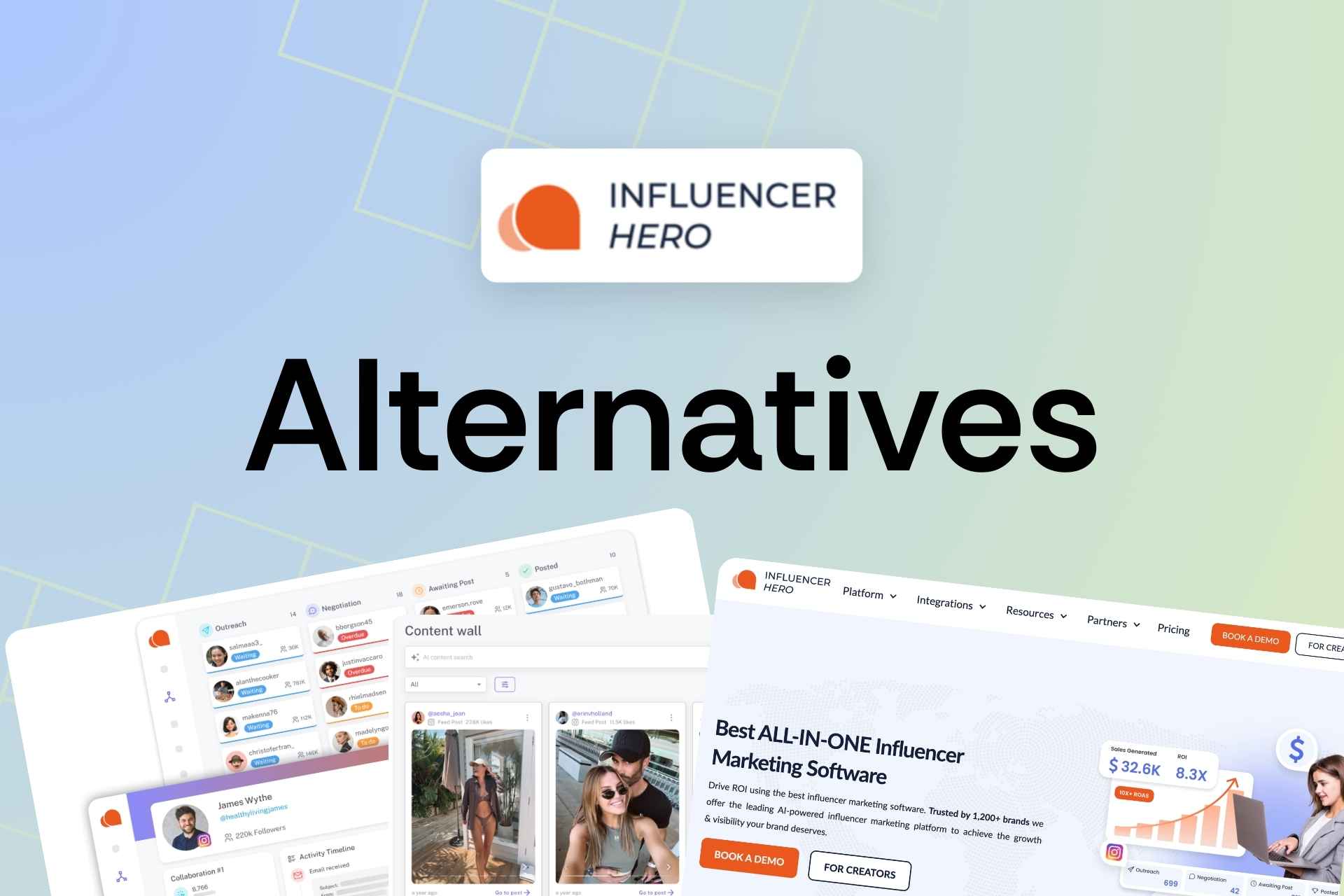
2. Influencer Hero
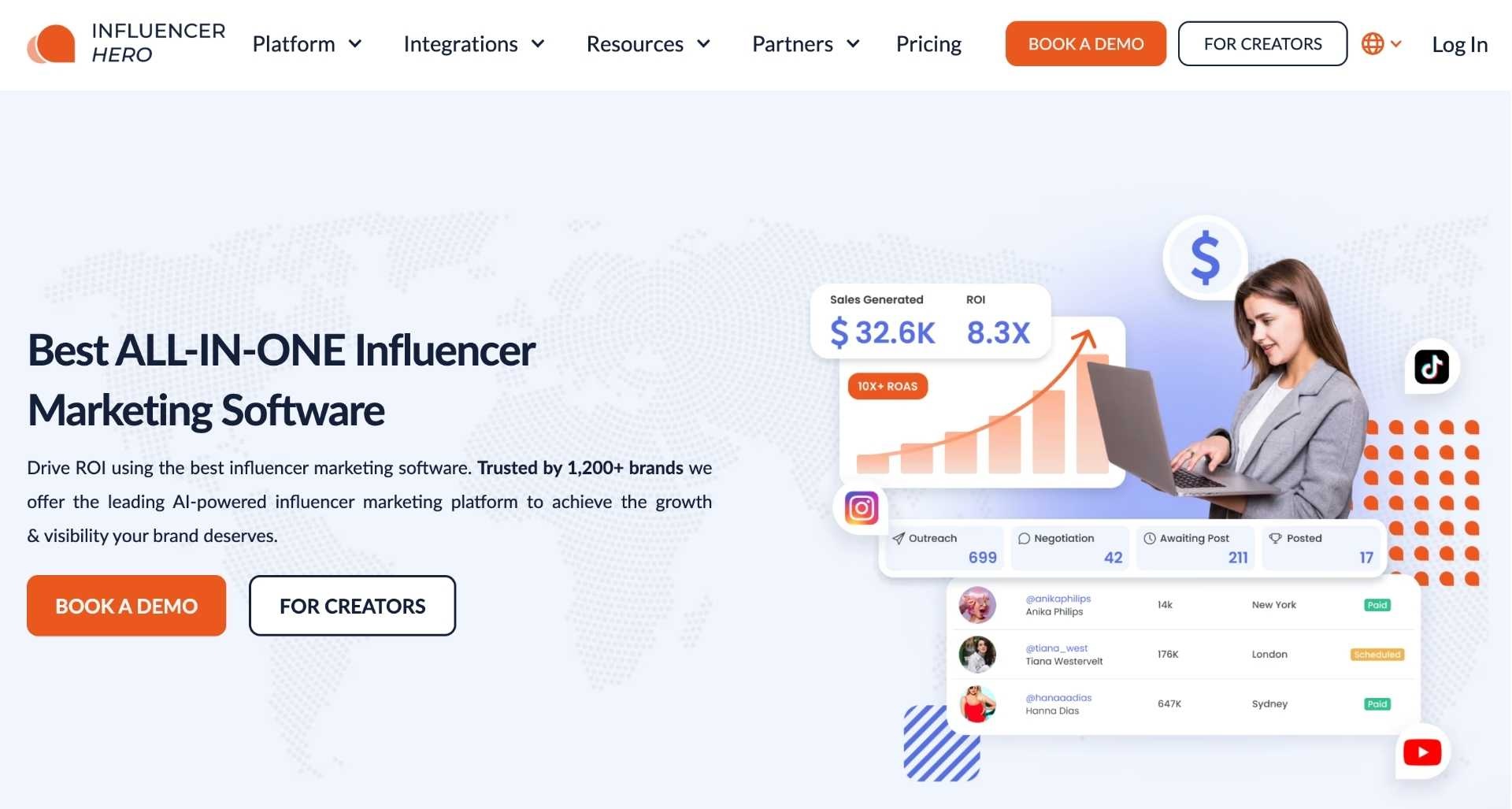
Influencer Hero is an all-in-one creator management platform designed for brands that want influencer discovery, outreach, CRM, gifting, affiliate tracking, UGC collection, and reporting in one workflow. For micro-influencer campaigns, its biggest advantage is that it combines bulk outreach and strong campaign boards with e-commerce tracking, which makes it easier to run lots of smaller collaborations without losing control of follow-ups and performance.
Key features
- Influencer discovery: The platform supports filtering by location, demographics, interests, and engagement rate to help brands identify relevant micro-influencers faster.
- Fake follower detection: Creator profiles include audience-quality checks and fake follower insights, which helps reduce wasted outreach.
- Lookalike recommendations: Teams can find creators similar to strong performers, which is useful when scaling a working micro-influencer campaign.
- Bulk outreach and email flows: Influencer Hero supports one-to-one and bulk email with drip sequences and reply tracking, making high-volume outreach much easier to manage.
- Campaign CRM boards: Its dealflow-style boards let teams track outreach, deliverables, approvals, and ROI from one central view.
- Gifting and seeding workflows: Product seeding can be managed directly in-platform with e-commerce integrations for order and delivery tracking.
- UGC collection and management: Automatically collects and stores creator content, making it easy to download, organize, and repurpose high-performing UGC for ads, social media, or eCommerce.
- Reporting and analytics: Real-time dashboards provide visibility into content performance, clicks, affiliate sales, and ROI per influencer. Reports can be exported and shared with stakeholders, helping teams clearly measure campaign impact and optimize future collaborations.
- Affiliate tracking and payouts: Brands can create links and codes, track commissions, and manage payouts within the same workflow.
- Application pages and storefronts: Branded pages help attract inbound creators and organize applications at scale.
- AI support: The platform offers AI-based creator recommendations, outreach copy assistance, and predictive analytics.
Platform coverage
Influencer Hero supports Instagram, TikTok, YouTube, Facebook, Pinterest, Snapchat, X, and Twitch.
Standout features
- Campaign-centric CRM automation: The structured boards, bulk actions, and automated follow-ups are a strong fit for teams managing dozens or hundreds of micro-influencer relationships at once.
- Multi-platform e-commerce support: Influencer Hero is stronger than many Shopify-only tools because it also supports WooCommerce and custom e-commerce setups.
- Brand-follower discovery: The ability to identify creators who already follow or engage with your brand is especially useful for micro-influencer campaigns focused on authenticity and response rates.
Limitations
- Pricing may be higher for smaller teams: With plans starting around $649/month, it may be less accessible for early-stage brands or those running smaller campaigns.
- No free trial available:Influencer Hero currently does not offer a free trial, which may make it harder for teams to test the platform before committing.
Integrations
- Shopify: Connects product catalogs, gifting, tracking links, discount codes, and sales attribution to influencer campaigns.
- WooCommerce: Lets brands create creator-specific links and codes and sync clicks and sales back into the CRM for reporting.
- Klaviyo: Syncs influencer and email data so teams can connect creator workflows with lifecycle marketing.
- Gmail: Pulls outreach emails and replies into the platform so communication stays tied to creator records and campaigns.
- Outlook: Centralizes creator communication for teams using Microsoft email infrastructure.
- Slack: Receives campaign updates and notifications directly within your team communication channels.
- Zapier: Connects Influencer Hero with hundreds of other tools to automate workflows across your tech stack.
- DocuSign: Streamlines influencer contract management with digital signatures and automated agreement workflows.
Pricing
Influencer Hero offers flexible pricing based on outreach volume, with unlimited influencer storage across all plans:
- Standard — $649/month (up to 1,000 reachouts/month)
- Pro — $1,049/month (up to 5,000 reachouts/month)
- Business — $2,490/month (up to 10,000 reachouts/month)
- Custom / Agency — Tailored pricing
Pricing is more transparent and scalable, allowing brands to grow without long-term contract constraints.
Reviews
4.9/5.0 (Capterra)
3. Aspire
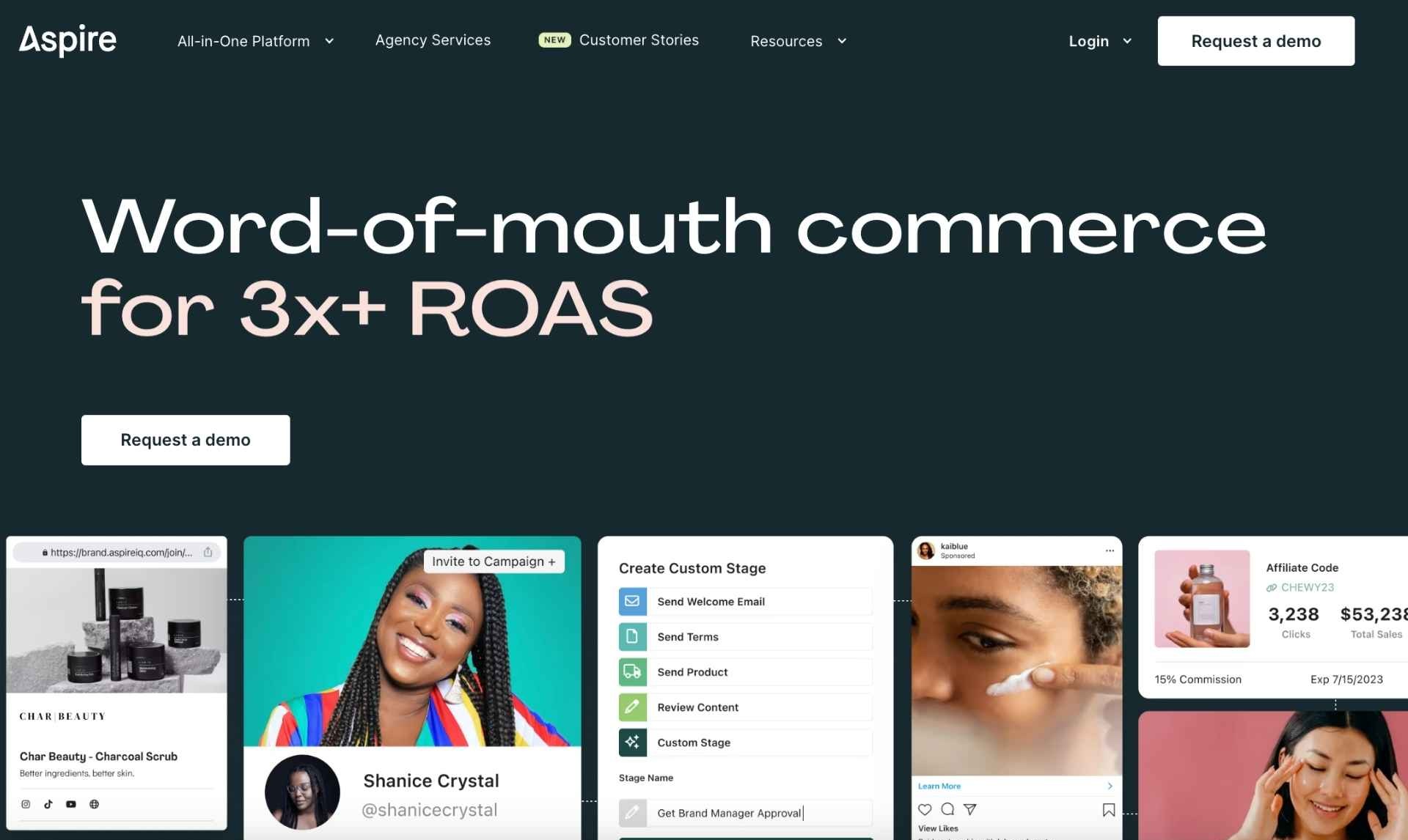
Aspire is an end-to-end influencer marketing platform aimed at e-commerce brands that want discovery, campaign workflows, gifting, sales tracking, and reporting in one place. For micro-influencer campaigns, it is especially strong when brands want to combine outbound recruitment with inbound applications and connect creator activity directly to product seeding and sales data.
Key features
- Creator discovery with first-party data: Aspire uses first-party data partnerships with Meta, TikTok, and Pinterest, which gives brands more confidence in creator and campaign data quality.
- Inbound creator marketplace: Brands can post projects and receive applications from a large inbound creator pool, which helps reduce manual prospecting.
- Custom application pages: Teams can create branded landing pages to collect creator details, ideas, and product preferences before activating a campaign.
- Workflow and CRM management: Aspire supports full campaign pipelines covering invites, contracts, briefs, approvals, posting, and tracking.
- Automated follow-ups and bulk actions: Teams can automate reminders and send bulk welcomes, briefs, and contracts to keep large creator groups moving.
- Shopify-based gifting: Creators can select products from your catalog, while brands manage fulfillment rules and order approvals inside the platform.
- Sales tracking and creator stores: Aspire supports promo codes, links, one-time-use codes, and creator storefronts, with detailed reporting on clicks, conversions, sales, and commissions.
- Content library and reporting: Campaign content, usage rights, and performance data are stored centrally for analysis and reuse.
- Integrated email communication: Gmail integration supports synchronized conversations and campaign outreach from the platform.
Platform coverage
Aspire’s strongest documented channel support is Instagram, TikTok, YouTube, Facebook, and Pinterest, with its first-party partnerships centered on Meta, TikTok, and Pinterest.
Standout features
- First-party social data partnerships: Aspire’s direct partnerships with Meta, TikTok, and Pinterest are a real differentiator for marketers who care about cleaner audience and performance data.
- Strong inbound creator sourcing: The combination of creator marketplace and branded application pages gives teams two ways to fill micro-influencer pipelines faster.
- Workflow depth for product seeding: Aspire is particularly strong when gifting is central to the campaign, because product selection, approval, and fulfillment are closely tied to workflow stages.
Limitations
- Pricing can be high for smaller teams: A mid-tier scenario in your research came in around $2,300/month, which may price out smaller brands.
- Direct payment processing is not a core strength: Aspire is strong on tracking and commissions, but your research notes did not highlight native payout infrastructure as a major differentiator.
- Some users mention technical friction: Public review summaries point to occasional glitches, complexity in setup, and some frustrations around reporting and integrations.
Integrations
- Shopify: Pulls buyer data, enriches customer profiles, powers product shipping, and keeps store records updated.
- Gmail: Lets teams send brand emails from Aspire and manage creator communication through a shared inbox.
- Microsoft Outlook: Supports creator outreach and shared inbox workflows for Microsoft-based teams.
- PayPal: Enables creator payouts from within the platform.
- WooCommerce: Supports customer-data uploads and e-commerce workflows alongside Shopify.
Pricing
Starts from around $2,300/month, and Aspire also offers a free self-guided demo rather than a standard free trial.
Reviews
4.0/5.0 (Capterra)
4. Afluencer
Afluencer is an influencer marketing platform designed to help brands connect with creators and micro-influencers across major social media channels. Rather than relying on a static database, the platform uses an opt-in marketplace where brands create collaboration opportunities and influencers apply based on predefined criteria, making the partnership process more streamlined and relationship-driven.
Key Features
- Influencer Marketplace: Brands can create campaigns and receive applications from creators that match their targeting criteria.
- Advanced Search Filters: Users can filter influencers by niche, audience demographics, location, engagement, and follower count.
- Direct Messaging: Brands and creators can communicate directly within the platform to coordinate campaigns.
- Campaign Management: Manage influencer collaborations and monitor applications from a centralized dashboard.
- Micro-Influencer Discovery: Focuses heavily on helping brands work with niche and micro-influencers.
- Creator Profiles and Analytics: Provides information about influencer interests, engagement metrics, and audience characteristics.
- CreatorGPT AI Assistant: AI-powered tool that helps brands identify relevant creators and optimize campaign discovery.
- Influencer Invitations: Brands can proactively invite creators instead of waiting for applications.
- Collaboration Listings ("Collabs"): Brands publish opportunities that influencers can browse and apply to.
- Onboarding and Strategy Support: Premium users receive access to strategy calls and priority support.
Platform Coverage
Afluencer supports influencer campaigns across Instagram, TikTok, YouTube, Facebook, and X (formerly Twitter). The platform is particularly focused on social-first collaborations and UGC partnerships, enabling brands to discover creators across multiple channels while managing conversations and campaigns from a single dashboard.
Standout Features
- Opt-In Influencer Community: Unlike large databases containing inactive profiles, Afluencer focuses on creators who actively participate and apply for collaborations, helping brands connect with engaged influencers.
- CreatorGPT AI Assistant: AI-powered creator discovery helps brands find suitable influencers more efficiently and refine campaign targeting.
- Micro-Influencer Focus: Afluencer is particularly well suited for smaller ecommerce brands looking to work with nano and micro-influencers rather than celebrity creators.
Limitations
- Limited Enterprise Capabilities: The platform is geared more toward SMBs and growing ecommerce brands than large enterprises managing complex campaigns.
- Smaller Creator Network Compared to Larger Competitors: Brands operating in highly specialized niches may find fewer active influencers available.
- Search and Dashboard Customization Could Be More Advanced: Some users report wanting more granular filters and additional customization options.
- Free Plan Restrictions: Access to premium filters and higher outreach volumes requires upgrading to a paid plan.
Integrations
- Shopify: Enables merchants to discover influencers and coordinate collaborations directly from their Shopify ecosystem.
- Instagram: Allows brands to evaluate and collaborate with Instagram creators for posts, reels, and UGC campaigns.
- TikTok: Supports discovery of TikTok creators and campaign management for short-form video collaborations.
- YouTube: Helps brands find YouTube creators for long-form and video-based partnerships.
- Facebook: Provides access to Facebook creators and social campaigns across Meta's ecosystem.
Pricing
Afluencer offers a free plan for brands getting started. Paid plans begin with the VIP plan at $49/month, while the Concierge plan costs $99/month. The platform follows a monthly subscription model and also offers free trials through its Shopify app. Premium plans unlock additional influencer invites, advanced filters, AI features, strategy sessions, and priority support. Pricing is structured to accommodate small businesses and growing ecommerce brands rather than enterprise teams.
Reviews
4.5/5.0 (Shopify App Store)
5. Influencity
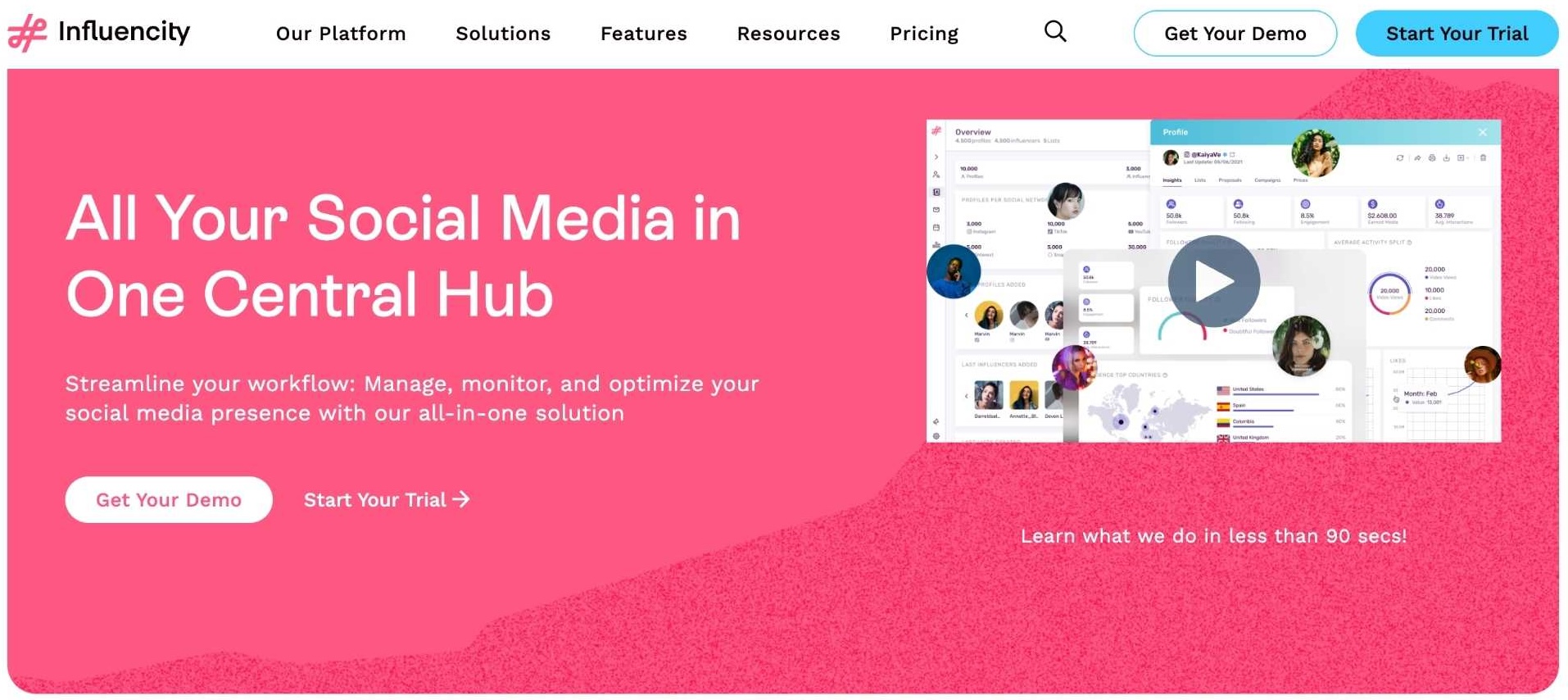
Influencity is an end-to-end influencer marketing platform that combines creator discovery, outreach, CRM, campaign workflows, and reporting in one system. For micro-influencer campaigns, it is particularly useful for teams that want broad discovery from public-profile data, plus structured campaign management and Shopify-connected gifting without paying enterprise-level pricing.
Key features
- Public-data creator discovery: Influencity uses public data rather than opt-in-only records, which expands the pool of creators available for micro-influencer search.
- Advanced search and AI matching: Discovery includes AI keyword matching, hashtags, lookalikes, and profile filters to narrow down creator lists quickly.
- Influencer CRM: The visual IRM helps teams organize creators by list, theme, geography, and campaign stage.
- Campaign boards and task management: Campaigns are run through a board-style workflow with tasks, deadlines, approvals, and performance visibility.
- Automated outreach: Email outreach includes templates, bulk sends, sequences, and performance tracking for opens, clicks, and replies.
- Shopify gifting and affiliate tracking: Brands can run seeding programs, assign discount codes, and track Shopify-attributed sales by influencer.
- Manual and automatic reporting: Teams can build reports manually by URL or use automated tracking rules for hashtags and mentions.
- Branded recruitment pages: Influencity supports landing pages that let creators apply directly to your brand.
Platform coverage
Influencity supports Instagram, TikTok, YouTube, and X for analytics, though outreach on X is not emphasized.
Standout features
- Broad public-profile discovery: Because it does not rely only on opt-in creators, Influencity is good for brands that want wider micro-influencer coverage.
- Strong balance of affordability and workflow depth: The platform offers CRM, outreach, and reporting at a much lower public entry price than many enterprise-focused alternatives.
- Flexible reporting setup: The ability to combine manual and automated tracking gives teams more control when creator content doesn’t follow one fixed campaign pattern.
Limitations
- Email integration has constraints: The knowledge base shows that Gmail and some cloud-based inboxes are not supported for direct 1:1 inbox integration in the IRM, which may be frustrating for some teams.
- Shopify is the main e-commerce integration: Primarily to Shopify, so brands on other commerce stacks may need workarounds.
- It is software, not a marketplace or managed service: Buyers still need to handle negotiation and hiring, which means it saves workflow time but does not remove the operational work entirely.
Integrations
- Shopify: Supports gifting programs, discount codes, customer syncing, and influencer-level sales attribution.
- Office 365: Can be connected for inbox-based influencer communication in the IRM.
- Outlook.com: Supports direct inbox integration for one-to-one communication with creators.
- Yahoo via IMAP: Can be connected for email workflows if basic authentication is enabled.
- Zoho via IMAP: Supported for inbox integration through IMAP-based setup.
Pricing
- Professional Plan: $318/month or $3,816/year
- Business Plan: $798/month or $9,576/year
- Enterprise Plan: Custom pricing
- Auto-Tracker Add-On: $660/year (for 50 influencers)
Reviews
4.3/5.0 (G2)


6. Brandbassador
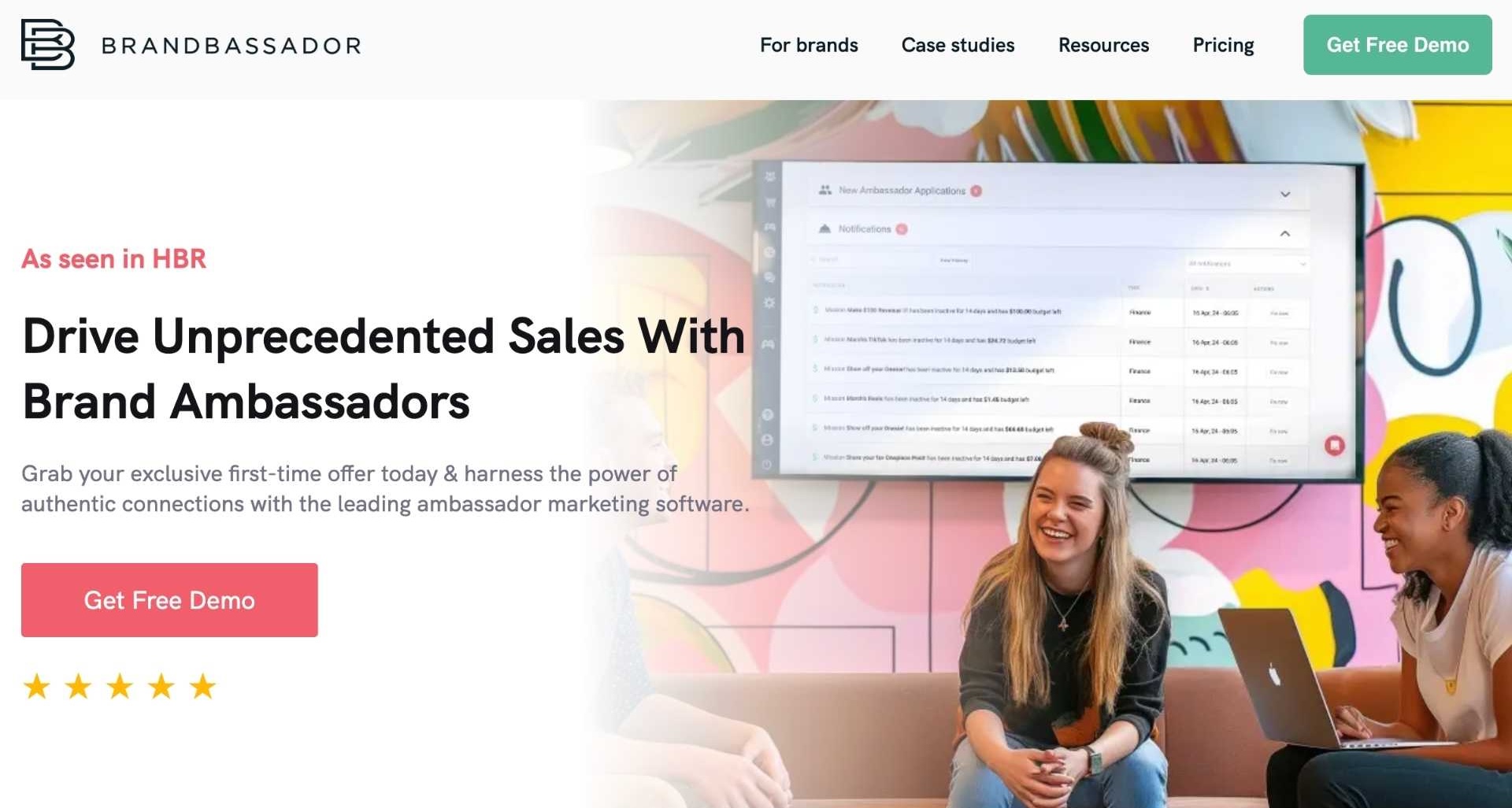
Brandbassador is better suited to ambassador and community-led programs than traditional influencer discovery. Instead of giving brands a broad searchable creator database, it helps them recruit customers, followers, and fans into an ongoing ambassador community, then activate them through gamified “missions,” rewards, messaging, and performance tracking. For micro-influencer campaigns, that makes it a strong option for brands that want to turn existing brand advocates into repeat creators rather than run one-off creator sourcing each time.
Key features
- Ambassador recruitment: Brands can invite customers and followers into a branded sign-up flow and approve applicants before adding them to the program.
- Mission-based campaign management: Teams create customizable “missions” that tell ambassadors what to post, review, or share in exchange for rewards.
- Gamified rewards: Missions can reward points, gift cards, cash, commissions, or free products, which helps keep smaller creators active over time.
- Centralized communication: Messaging and relationship management happen inside one dashboard, rather than across email, DMs, and spreadsheets.
- Content collection and reuse: Brands can collect community content and use it across wider brand-building efforts.
- Sales attribution: The platform tracks ambassador-driven revenue through discount codes and tracking links.
- Dedicated mobile app: Ambassadors can complete missions, monitor rewards, and withdraw earnings through the app.
Platform coverage
Brandbassador supports Facebook, Instagram, TikTok, X, YouTube, Snapchat, and blogs/websites, though its TikTok setup is more limited because creators can link TikTok while brands currently cannot connect a TikTok account directly.
Standout features
- Gamified mission system: Brandbassador’s mission structure is one of the clearest differentiators for keeping micro-influencers and ambassadors engaged long term.
- Community-first model: It is especially strong for brands that already have customers or followers they want to turn into creators, rather than starting from cold outreach.
- Strong affiliate and reward tracking: Discount codes, tracking links, commissions, and gift-card rewards are tightly tied to the workflow.
Limitations
- No broad creator search database: This is not the best fit if your priority is large-scale outbound discovery across the open creator market.
- Segmentation and templates still come up in user feedback: Some buyers praise flexibility but still want better segmentation and easier mission templating as programs grow.
- Pricing is not very transparent publicly: Buyers generally need to talk to sales rather than compare clear self-serve packages online.
Integrations
- Shopify: Tracks ambassador-driven sales, discount codes, tracking links, product rewards, and gift cards inside the platform.
- Shopify Plus: Extends the same commerce tracking and reward workflows to larger Shopify setups.
- Shopify Recharge: Lets ambassadors earn commission on the initial purchase of subscription-based products.
- Instagram: Supports ambassador activity and mission execution on one of the platform’s core social channels.
- YouTube: Gives brands another channel for creator missions and community content beyond short-form social.
Pricing
Not publicly disclosed
Reviews
4.7/5.0 (G2)
7. TRIBE
TRIBE is built around an opt-in creator community rather than a massive scraped database. Brands publish briefs, creators submit pitches, and the platform helps manage approvals, content, legal workflows, payments, and reporting. For micro-influencer campaigns, it works especially well when you want creators to come to you with ideas and draft content, instead of relying only on outbound sourcing.
Key features
- Opt-in creator marketplace: TRIBE gives brands access to 70,000+ opt-in creators instead of relying on a purely scraped database.
- Brief-based campaign setup: Brands create campaign briefs with audience, budget, and content requirements so creators can pitch directly.
- Pitch-driven creator selection: Creators submit ideas before being selected, which can help reduce mismatched partnerships.
- Centralized campaign management: Communication, content approvals, legal workflows, and payments are handled in one place.
- First-party reporting: TRIBE pulls performance data directly from TikTok, Instagram, Meta, and Pinterest APIs for more reliable measurement.
- Content licensing: Brands can request and purchase usage rights for top-performing creator content.
- Creator ads support: TRIBE can help brands turn creator content into paid media on Meta and TikTok.
Platform coverage
TRIBE’s strongest documented support is across TikTok, Instagram, Snapchat, and Pinterest, with reporting tied closely to TikTok, Meta, and Pinterest data sources.
Standout features
- Pitch-first workflow: Instead of only filtering creators, TRIBE lets brands review creator ideas up front, which is valuable when creative fit matters as much as audience fit.
- First-party campaign measurement: The platform’s API-based reporting is a real differentiator for teams that want cleaner post-campaign analysis.
- Content licensing and paid amplification: TRIBE is strong for brands that want to turn creator submissions into reusable organic and paid assets.
Limitations
- Creator variety can be a constraint in some campaigns: User feedback suggests the marketplace can feel narrower than broader discovery-led platforms in certain niches.
- Cost comes up in reviews: Some buyers like the platform but still describe pricing as premium.
- Less suited to pure outbound discovery: If your team wants to search the entire public creator market, TRIBE’s community model may feel more curated than expansive.
Integrations
- TikTok: Powers creator campaigns, measurement, and creator-ad amplification on one of TRIBE’s core channels.
- Instagram: Supports creator campaigns and first-party reporting through connected account data.
- Meta: Enables paid amplification and performance insights tied to creator content.
- Pinterest: Adds another channel for creator campaigns and first-party performance measurement.
- Snapchat: Extends campaign support beyond Meta and TikTok for brands running broader social mixes.
Pricing
TRIBE offers both pay-per-use pricing and annual agreements, while TRIBE Plus is sold as a more tailored managed solution.
Reviews
4.3/5.0 (G2)
8. Modash
Modash is an end-to-end influencer marketing platform built around discovery, outreach, tracking, gifting, and affiliate management. It is particularly well suited to micro-influencer campaigns because it combines a very large creator database with straightforward workflows, transparent pricing, and strong Shopify connectivity, making it practical for brands that want to manage a high volume of smaller creators without enterprise-level complexity.
Key features
- Large creator database: Modash’s discovery engine covers 350M+ creator profiles, giving brands broad coverage for micro-influencer search.
- Advanced creator search: Teams can filter by audience, geography, niche, and performance signals to build more precise shortlists.
- Inbox integration: Gmail and Outlook can be connected so influencer communication stays tied to creator records and campaign workflows.
- Automatic content tracking: Modash captures creator posts automatically, helping teams monitor campaigns without manual link chasing.
- Shopify workflows: The Shopify integration supports promo codes, product gifting, affiliate links, clicks, and redemptions.
- CRM and relationship management: The platform includes built-in creator management so discovery, outreach, and tracking happen in one place.
- Transparent plan structure: All core capabilities are included across plans, with usage limits scaling as brands grow.
Platform coverage
Modash supports Instagram, TikTok, and YouTube.
Standout features
- Transparent pricing: Compared with many competitors in this category, Modash is unusually clear about plan pricing and usage limits.
- Strong Shopify integration: For e-commerce brands, the gifting, code creation, click tracking, and redemption tracking are a major advantage.
- Large searchable database without mandatory long-term contracts: That combination makes it appealing for brands testing or scaling micro-influencer programs.
Limitations
- Channel coverage is narrower than some enterprise tools: Brands focused on Pinterest, Snapchat, blogs, or other channels may find it more limited.
- Occasional bugs still come up in user feedback: Reviews are very positive overall, but some users mention platform bugs or edge-case issues.
- Shopify remains the clearest commerce integration: That is great for Shopify brands, but less ideal if your stack runs elsewhere.
Integrations
- Shopify: Syncs product gifting, promo codes, affiliate links, clicks, and redemptions into one workflow.
- Gmail: Connects outreach to Modash’s inbox so teams can manage creator communication centrally.
- Outlook: Gives Microsoft-based teams the same inbox workflow and creator communication tracking.
- Instagram: Supports discovery and campaign tracking on one of the platform’s core channels.
- TikTok: Supports creator search and tracking for short-form creator campaigns.
Pricing
Modash offers monthly or yearly plans and a 14-day free trial. Public pricing currently starts at $199/month billed yearly for Essentials, or $299/month billed monthly, with higher tiers and Enterprise plans available as usage grows.
Reviews
4.9/5.0 (Capterra)
9. Social Cat

Social Cat is built specifically for micro-influencer collaborations, with a simpler and more affordable workflow than most enterprise platforms. It helps brands find vetted creators, run gifted or paid campaigns, manage contracts and messaging, collect licensed UGC, and track collaborations inside one dashboard, which makes it especially relevant for smaller teams and Shopify brands.
Key features
- Micro-influencer focus: Social Cat is designed around collaborations between brands and micro-influencers rather than broad enterprise influencer programs.
- Vetted creator marketplace: Brands can search a database of 500K+ creators and review portfolios, past collaborations, and creator feedback.
- Gifted, paid, and affiliate campaigns: Teams can launch different collaboration types depending on budget and goals.
- In-app messaging: Communication happens directly inside the platform, which helps keep micro-influencer campaigns organized.
- Built-in contracts: Brands can set terms before shipping products or approving collaborations.
- Licensed content library: Delivered content is stored centrally, with usage rights included.
- Creator reviews: Verified creator reviews give teams extra context on communication and reliability before matching.
- Free trial and low entry pricing: The product is clearly positioned toward budget-conscious brands.
Platform coverage
Social Cat currently supports Instagram and TikTok only.
Standout features
- Purpose-built for micro-influencers: Social Cat is one of the clearest niche fits for brands whose program centers on smaller creators.
- Affordable entry point: Its pricing and free-trial structure make it easier for smaller brands to start without an enterprise commitment.
- Licensing included: Getting content usage rights included across plans is valuable for brands using creator content in paid and owned channels.
Limitations
- Limited channel coverage: If you want YouTube, Pinterest, or broader cross-platform support, Social Cat will feel narrow.
- Less enterprise depth: The platform is intentionally simpler, so very large teams may outgrow it. This is an inference from its positioning and pricing.
- Review coverage on software directories is still thin: It has strong customer feedback, but not the same depth of verified software reviews as bigger players.
Integrations
- Shopify: Supports creator campaigns for Shopify brands and ties influencer workflows more closely to e-commerce growth.
- Instagram: Powers collaborations across posts, stories, reels, and other Instagram formats.
- TikTok: Supports short-form creator campaigns alongside Instagram in the same workflow.
- Meta: Used for account authenticity verification when evaluating creators.
- TikTok verification: Used alongside Meta for authenticity checks on creator accounts.
Pricing
Social Cat offers a 7-day free trial, monthly plans, and yearly billing with two months free. Public pricing starts at $99/month for Essentials, $199/month for Performance, and $299/month for Pro, with cancel-anytime positioning and no long-term commitment required.
Reviews
4.3/5.0 (Trustpilot)
10. Heepsy
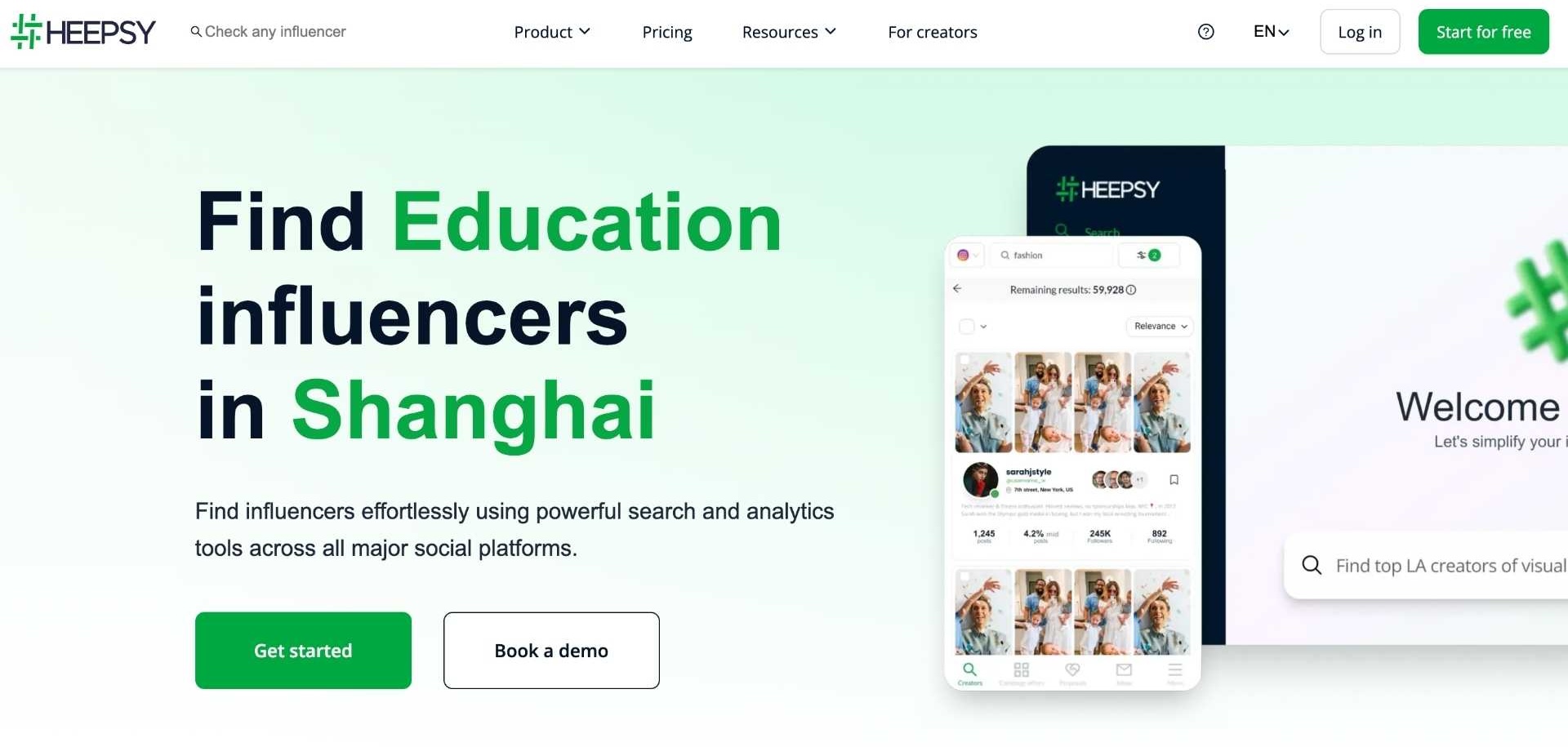
Heepsy is a creator discovery and campaign management platform aimed at brands and agencies that want influencer search, outreach, lists, and reporting without paying enterprise-level prices. For micro-influencer campaigns, it is especially useful when teams need strong filtering, easy list building, and enough CRM and outreach functionality to manage campaigns at a practical cost.
Key features
- Large creator database: Heepsy gives brands access to millions of influencers globally across Instagram, YouTube, and TikTok.
- Advanced filtering: Teams can filter by location, category, follower count, engagement, and more to narrow creator lists efficiently.
- Detailed creator analytics: Profile reports help brands assess quality before reaching out.
- Lists and CRM: Heepsy includes lists, CRM tools, and campaign tracking to manage outreach and collaboration stages.
- Bulk outreach: Higher plans include larger email-sending limits, templates, and automated follow-ups.
- Marketplace and application pages: Brands can publish offers and receive creator proposals through the platform.
- Reporting and media monitoring: Advanced plans add reporting, media monitoring, and automated sales tracking.
Platform coverage
Heepsy supports Instagram, YouTube, and TikTok.
Standout features
- Practical pricing for discovery-heavy teams: Heepsy’s entry price is much lower than most enterprise creator platforms.
- Strong filtering for micro-influencer sourcing: Its search and analytics make it easier to build niche creator lists quickly.
- Upgradeable path into end-to-end workflows: The higher tiers add outreach, marketplace, reporting, and e-commerce tracking rather than forcing brands into a custom enterprise contract from day one.
Limitations
- Best commerce features sit in higher tiers: Shopify, WooCommerce, and automated sales tracking are reserved for Advanced and above.
- No free trial on the main commercial plans: Buyers can use the free plan, but the paid tiers are not positioned around a separate free trial.
- Some users still describe it mainly as a search-first tool: That can be fine for many teams, but brands wanting deeper enterprise orchestration may want more. This is an inference from the product structure and review patterns.
Integrations
- Shopify: Advanced plans support product catalog integration, promotional codes, and automated sales tracking.
- WooCommerce: Advanced plans also add WooCommerce integration for commerce-linked creator campaigns.
- Instagram: Supports creator discovery and campaign execution on one of Heepsy’s three core channels.
- TikTok: Extends creator search and campaign workflows to short-form creators.
- YouTube: Adds video-first creator discovery for brands that need more than Instagram and TikTok.
Pricing
There are different plans:
- Free Plan: You can simply discover creators and see how the discovery feature works.
- Starter Plan: Starts at $89/month. You get up to 15k results, 50 profiles and 50 outreach emails.
- Plus Plan: Starts at $249/month. Offers 40K results, 1,000 advanced profiles, and 1,000 outreach emails. Adds bulk email outreach, contact exports, media gallery, and campaign reporting.
- Advanced Plan: Starts at $369/month. Includes 60K results, 3,000 profiles, and 3,000 outreach emails. Adds advanced filters, automated sales tracking, Shopify/WooCommerce integrations, product catalogs, and promo code tracking.
Reviews
4.5/5.0 (G2)
Final Thoughts
Choosing the right influencer marketing platform ultimately comes down to how you plan to run your micro-influencer campaigns—whether you prioritize automation, discovery, community building, or e-commerce tracking. As highlighted, some tools specialize in scaling gifting and UGC, while others focus on outbound discovery, inbound applications, or ambassador-driven programs. The key is selecting a platform that aligns with your internal resources, campaign goals, and preferred workflow. With the right technology in place, brands can turn micro-influencer campaigns into a scalable and measurable growth channel.