

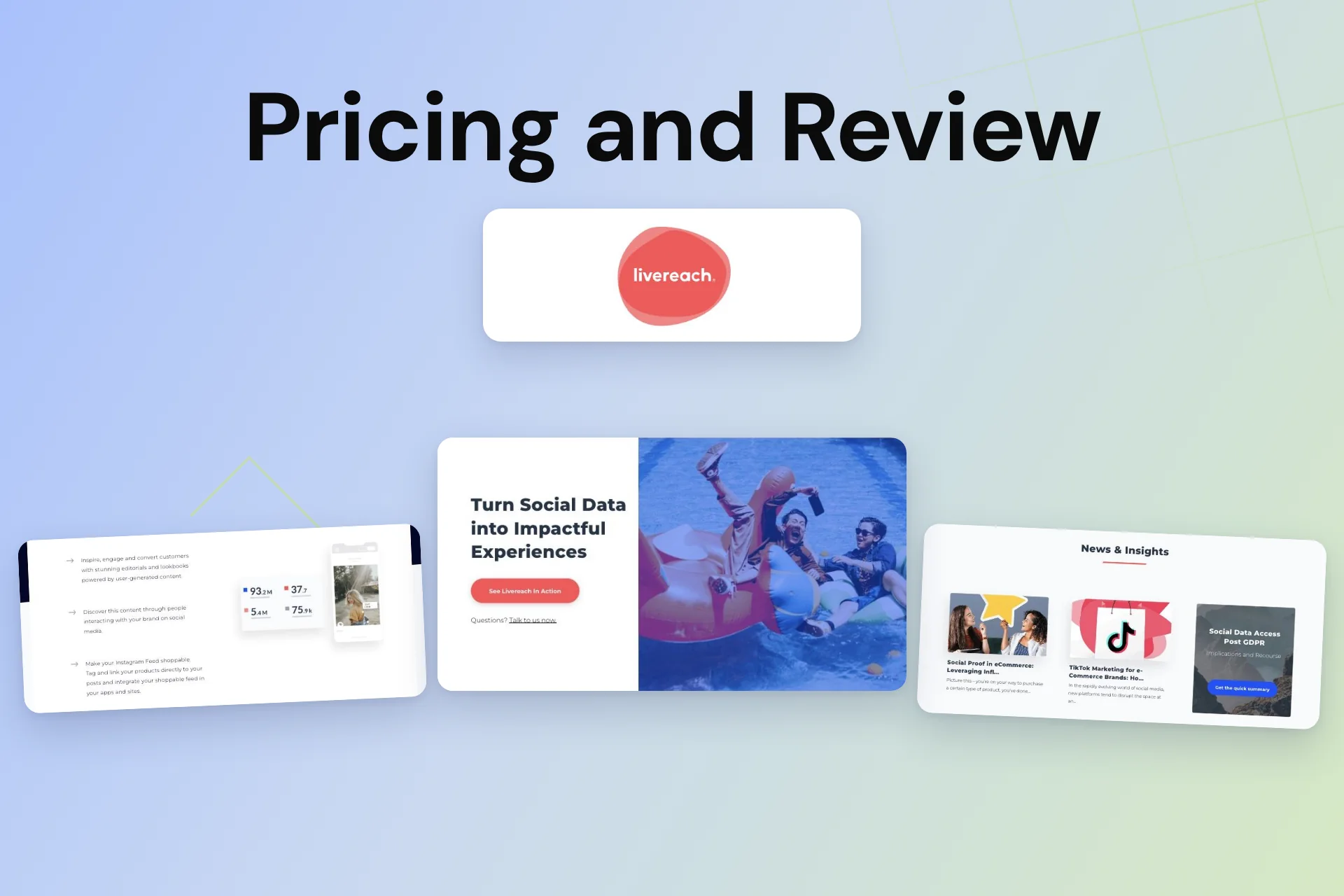
Livereach Pricing Explained: Plans, Features & Review
Livereach pricing is quote-based, which is common for enterprise social content tools but means brands need a sales conversation before they can compare costs. The German platform helps companies collect photos and videos that customers and creators post on social media, secure the rights to reuse them, and publish that content on websites, product pages, emails and screens at events. It also includes a social command center that turns social, news and internal data into live dashboards for marketing, PR and communications teams. That combination makes Livereach useful for brands that want to show social proof across many channels, although it does less for teams that need to find creators, run outreach or pay partners. In this article, we break down Livereach pricing, key features, reviews, limitations, and the best Livereach alternatives to consider.
Livereach Pricing
Livereach does not publish prices on its website, so every package is put together after a demo with its sales team. The platform is sold as three product areas, and brands can choose one or combine them. The Experience Cloud covers UGC collection, rights management and publishing to websites, apps, emails and digital displays. The Visual Commerce Cloud adds shoppable feeds, editorial lookbooks and UGC on product pages, with ready-made connections to shop systems such as SAP Hybris, Magento, Shopware and Oxid. The Insights Cloud is a social command center for monitoring brands, competitors and trends on large screens and mobile devices. The final price usually depends on which clouds are included, the number of users and feeds, and whether the setup is for an ongoing program or a single event.
Free Trial
Livereach does not advertise a free trial. Brands can book a demo to see the platform with their own content, which is also the right time to ask about rights management, shop integrations and support levels.
Contract
Contract terms are not published and are agreed individually. Companies should confirm the billing period, minimum term and what happens to collected content and rights approvals if they decide to leave the platform.
Livereach Overview

Livereach was founded in 2014 and is run by Gorilla GmbH in Münster, Germany, with its website and support available in English and German. The company calls itself a social data platform, and its focus is on bringing content and data from social media into the places where brands talk to customers, employees and event visitors. Its Content Engine gathers posts by hashtag and keyword, uses image recognition and sentiment analysis to pick relevant content, and helps teams request usage rights from the people who created it. The same content can then be shown in shoppable feeds, on product pages, in emails or on live event walls. Marketing, eCommerce, HR, PR, sales and event teams can all work from the same content library with role-based access.
Key Features
UGC Aggregation
Livereach collects posts across social channels using hashtags and keywords, so brands can gather customer and creator content in one place instead of searching for it manually.
Rights Management
Message templates, opt-in hashtags and rights landing pages help teams get permission from creators, which allows brands to reuse UGC in ads, on websites and in campaigns with less legal risk.
Visual AI and Moderation
Image recognition, classification and sentiment analysis pre-select suitable posts, which reduces the time teams spend reviewing large volumes of content.
Shoppable Feeds and Lookbooks
Brands can tag products in UGC and build shoppable feeds, editorials and lookbooks with drag-and-drop templates, making it easier to turn social content into sales.
Product Page UGC
Tagged content can be published automatically on product and category pages, which adds social proof at the point where shoppers decide to buy.
Dynamic Email and Display
The same content library can feed emails, apps and in-store or event screens, helping brands keep their visual content consistent across channels.
Social Command Center
The Insights Cloud shows real-time social, news and internal data on dashboards and large displays, with alerts that help teams react quickly to trends and brand mentions.
Role-Based Access
Different teams can manage content through web and mobile apps with permissions based on their role, which suits companies where several departments use the same content.
Best For
Livereach is best for mid-sized and large companies, especially in retail, fashion, tourism and consumer brands, that want to collect UGC, secure the rights and publish it across their website, shop, emails and events. Its shop integrations make the most sense for brands running Magento, Shopware, Oxid or SAP Hybris, and its live displays suit companies that host trade shows, conferences or fan events. Teams that are still planning how to source creator content can look at this round-up of top influencer marketing platforms for UGC campaigns to compare different approaches. Livereach is a weaker fit for brands that want to recruit influencers, run product seeding or manage affiliate programs, since those workflows sit outside its main focus.
Livereach Reviews
No reliable public rating
Livereach has a listing on G2 but no verified reviews, and it does not have a meaningful number of reviews on other major software review sites. Without an independent score, brands have to rely on the demo, references and case studies from Livereach itself. Public information about the product is also limited, as many feature pages are short and client names are not listed in detail. Before signing, it is worth asking for references from companies in the same industry and testing the rights management workflow with real posts.
Livereach Standout Features
One Content Library for Many Channels
The same UGC can appear on product pages, in emails, in apps and on event screens, which means brands manage content once and use it everywhere.
Built-In Rights Requests
Rights landing pages and opt-in hashtags are part of the workflow, so teams do not need a separate process to get permission before reusing customer content.
Support for European Shop Systems
Ready-made connections to Shopware, Oxid, Magento and SAP Hybris are useful for European retailers that do not run on Shopify.
Livereach Limitations
No Published Pricing
Every package is quoted after a demo, which makes it harder for brands to estimate costs or compare Livereach with other tools early in the buying process.
No Influencer Discovery or Outreach
Livereach collects content that is already online, but it does not help brands search for new creators, contact them or manage campaigns with them.
No Affiliate Tracking or Creator Payments
There are no discount codes, commission tracking or payout tools, so brands that pay creators need another platform for that part of the program.
Few Independent Reviews
The lack of public user feedback makes it difficult to judge support quality, ease of use and long-term value before committing to a contract.


Is Livereach Worth It?
Livereach is worth it for brands that want one system to collect UGC, secure the rights and publish it on their website, shop, emails and event screens, especially in Europe where its shop integrations are strongest. Its social command center is also a useful extra for communications and event teams. It may not fit brands that want transparent pricing, independent reviews, or tools to find creators, send products and track affiliate sales. Teams with those needs can look at these platforms:
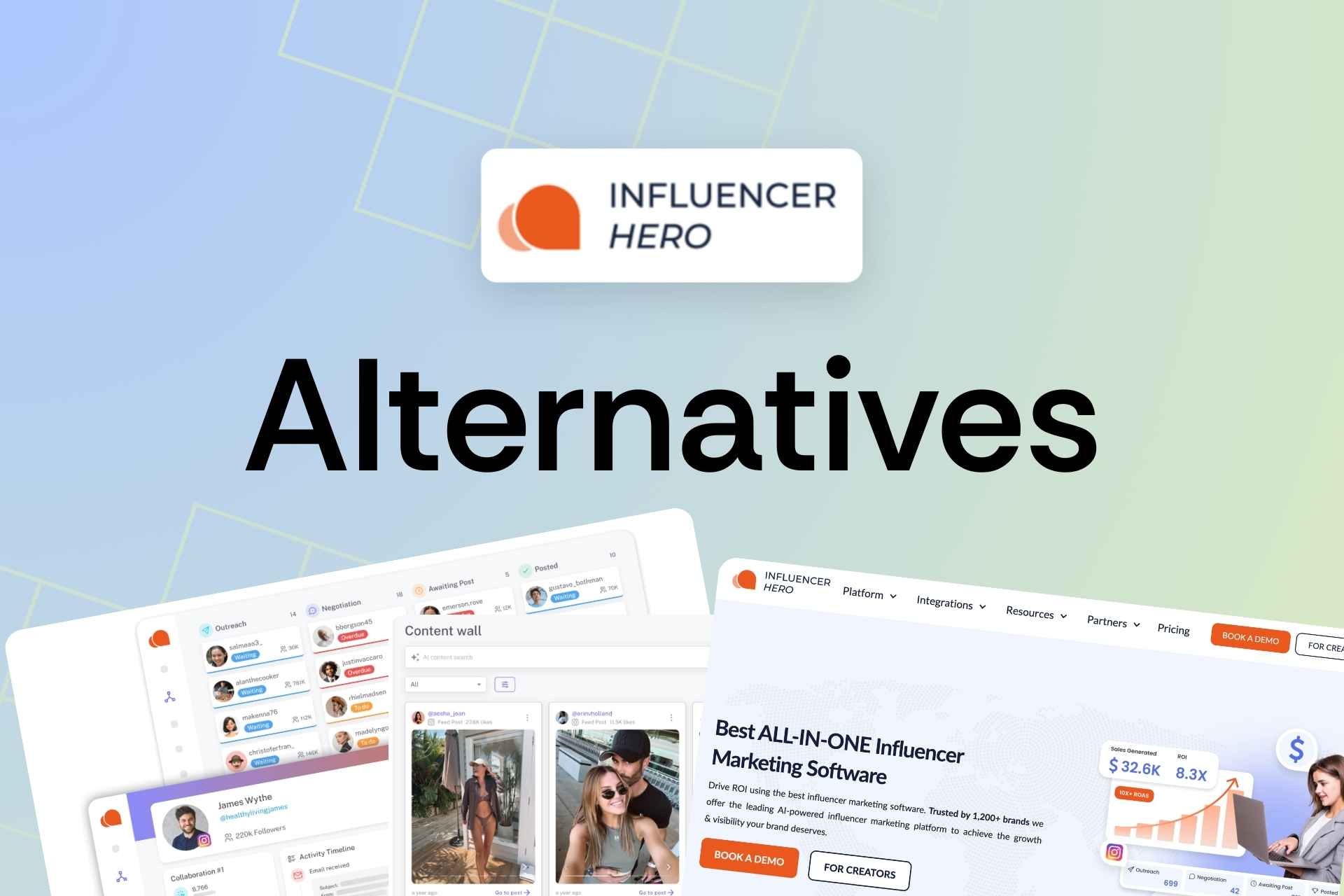
- Influencer Hero: an all-in-one influencer marketing platform that finds influencers, ships gifted products through Shopify or WooCommerce, and saves every post to a searchable UGC content library.
- Afluencer: A marketplace where brands post collabs and creators apply, which gives smaller teams a simple way to source new UGC from interested creators.
- Emplifi: A social media suite that combines UGC collection and rights management with publishing, social listening and influencer tools.
- Later: A social media management tool with scheduling, a creator marketplace and influencer campaign management for brands.
- Lefty: An influencer marketing platform for beauty, fashion and luxury brands with creator search, campaign tracking and competitor benchmarks.
Final Thoughts
Livereach is a practical choice for companies that already have plenty of customer content online and want a structured way to collect, approve and display it. Its strengths are the rights workflow, the wide range of display options and the support for European shop systems. At the same time, Livereach pricing is not public, there are almost no independent reviews, and the platform does not cover the creator side of influencer marketing, from discovery to payments. Brands that also want to grow the amount of creator content they receive can compare these Livereach alternatives to find a setup that covers both.