

Motom Pricing Explained: Plans, Features & Review
Every affiliate link a creator posts sends a shopper somewhere, and for most brands that somewhere is a third-party storefront they neither control nor collect data from. Motom's whole pitch is closing that gap: creator storefronts hosted on your own domain, so the traffic, the checkout, and the first-party data stay with you. Retailers like Macy's, Sephora, and Chewy have bought into that model, but it is enterprise software sold by demo, with contract minimums that put it beyond most growing brands. Knowing what sits behind the quote helps before you book that call. In this article, we break down Motom pricing, key features, reviews, limitations, and the best Motom alternatives to consider.
Motom Pricing
Motom does not publish a price list. Anchor, its creator commerce platform, is sold through a demo and a scoped proposal, and the number depends on storefront volume, creator program size, which managed services you add, and how deep the integration into your eCommerce stack goes. Contracts run on six or twelve month commitments rather than month to month, so there is no low-friction way to test the platform for a single campaign season. Creators pay nothing to use their storefronts. Worth budgeting separately: Motom plugs into affiliate networks like Rakuten, CJ, Impact, Awin and ShareASale, and Partnerize to handle payouts, so commission and network fees sit on top of the platform cost rather than inside it. Implementation is fast by enterprise standards, with storefronts live anywhere from 48 hours to roughly three weeks.
Free Trial
There is no free trial and no self-serve signup. Access starts with a demo, after which Motom scopes a proposal around your storefront count, creator volume, and service level. Brands wanting to validate the model first usually negotiate a smaller pilot program rather than a trial period.
Contract
Motom works on six or twelve month commitments. That is shorter than the multi-year lock-ins common in enterprise commerce software, but still long enough to matter if your creator program is unproven. Managed services are typically scoped alongside the platform term, so factor both into the total when comparing against a monthly subscription tool.
Motom Overview
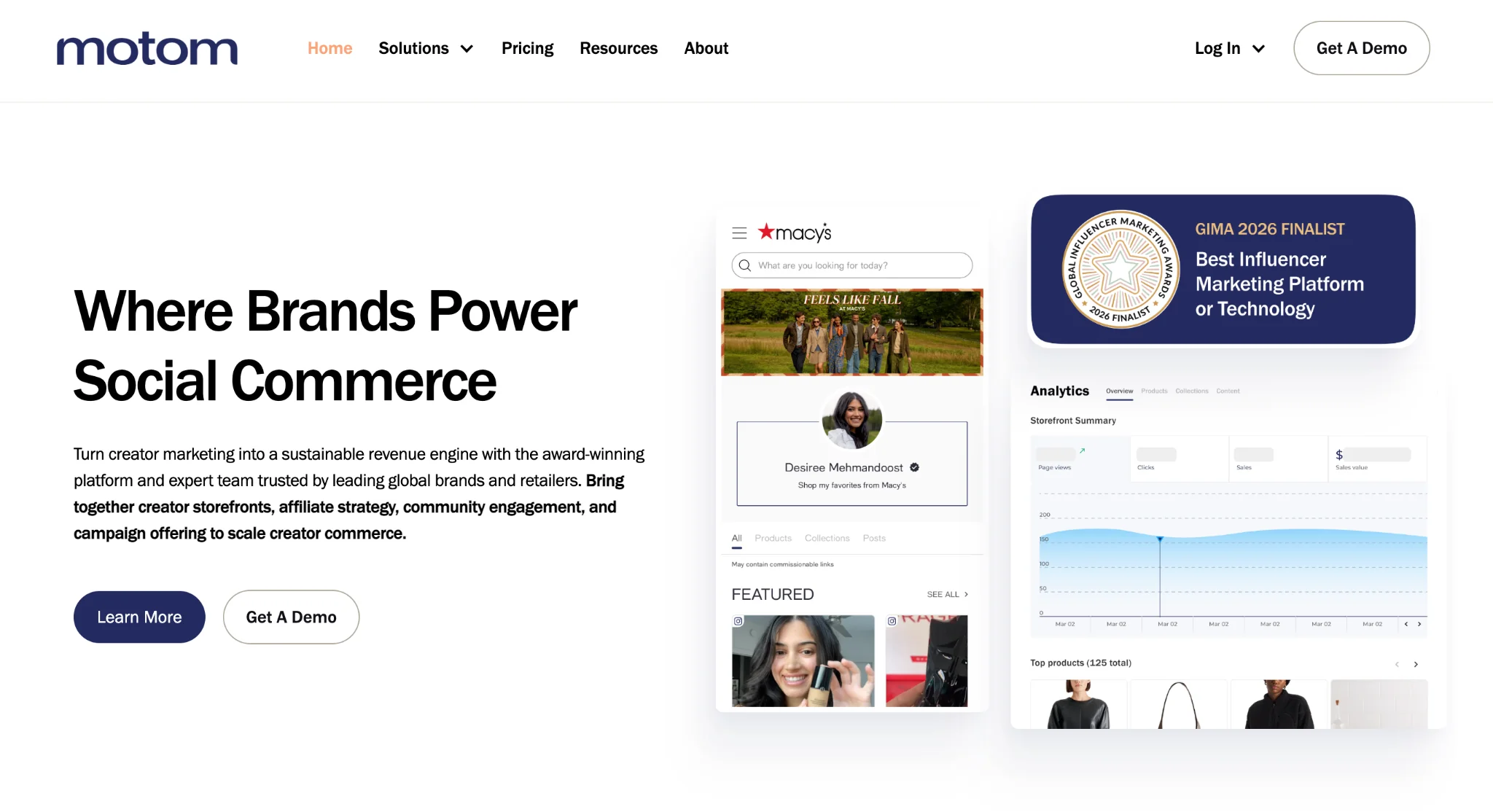
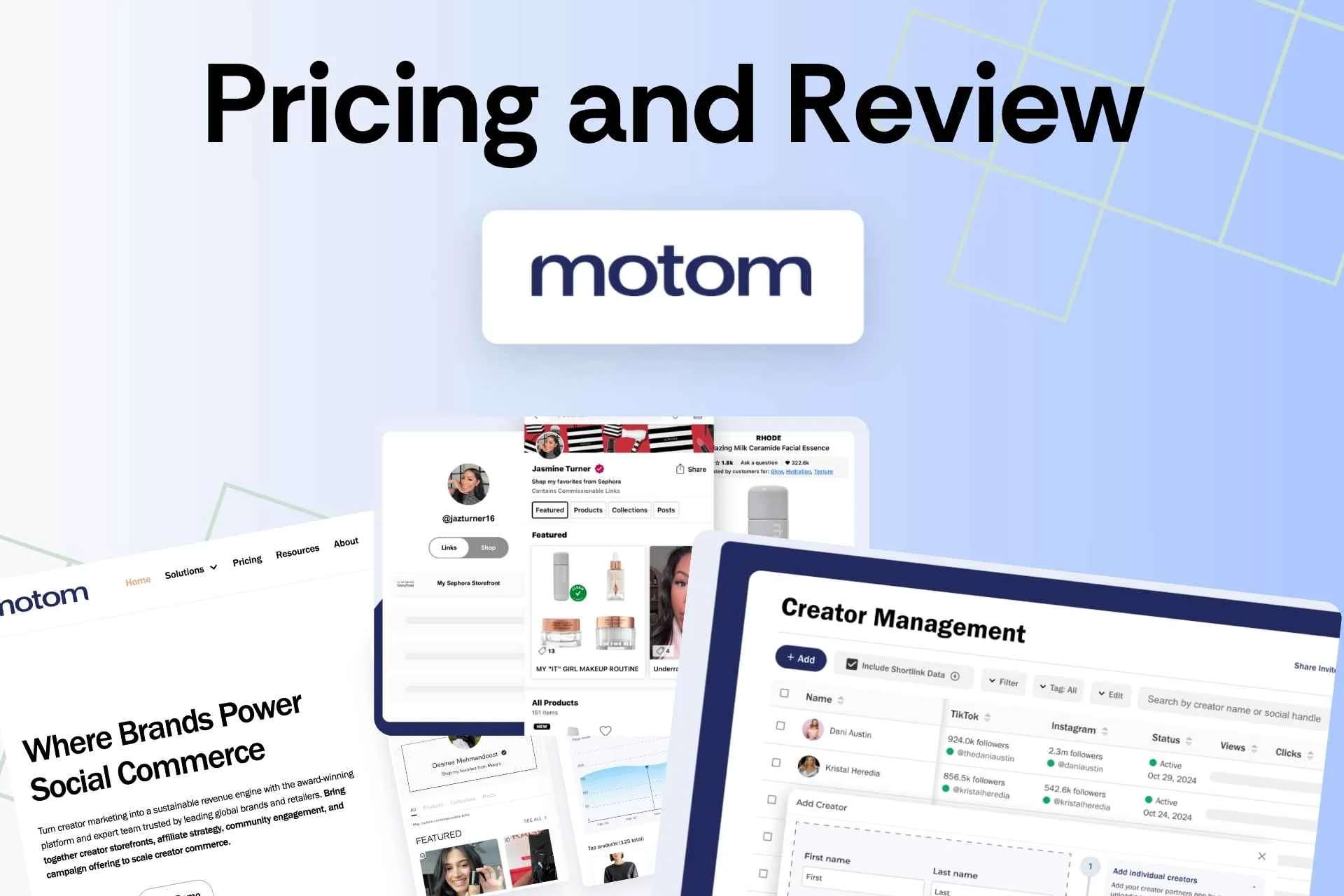
Motom is a creator commerce company whose flagship product, Anchor, gives brands white-label storefronts that creators use to sell products directly. Instead of routing followers to a generic aggregator, each creator gets a branded shop hosted on the brand's own domain that mirrors the main site experience, which keeps conversion, attribution, and first-party data in house. Around that sits the Anchor Portal, where brand teams recruit creators, run onboarding, handle messaging, and track performance down to individual creators, products, and traffic sources. Motom reports conversion lifts in the 3x to 10x range and works with retailers including Macy's, Sephora, Bloomingdale's, and Chewy, with optional managed services for teams that want the program run for them.
Key Features
White-Label Creator Storefronts
Each creator receives a branded shop hosted on the brand's domain that replicates the full site experience, so shoppers never leave the brand environment and the brand keeps the checkout data.
Anchor Portal for Brand Teams
A central dashboard handles creator invites in batches, onboarding, application review, communications, and performance monitoring, which is what makes running hundreds of creators practical without a bigger team.
Full-Funnel First-Party Analytics
Campaign reporting tracks storefront views, clicks, sales, and revenue segmented by creator, group, product, timeframe, and traffic source, giving teams a clean line from a specific post to a specific transaction.
Affiliate Network Integrations
Anchor connects to Rakuten, CJ, Impact, Awin and ShareASale, and Partnerize, so commission tracking and creator payouts run through infrastructure brands are usually already using.
Creator Application and Vetting Flows
Customizable application forms let brands collect the information they care about and screen inbound creators before granting a storefront, keeping the roster aligned with brand standards.
Direct Creator Messaging
Built-in messaging and announcements let brand teams brief creators, push campaign updates, and coordinate activations without falling back on scattered email threads and DMs.
Managed Program Services
Motom's team can take on creator onboarding webinars, paid recruitment, gifting programs, and full or partial program management for brands that want the outcome without building the internal function.
Retail Media and In-Store Extensions
Beyond core creator storefronts, Anchor supports employee storefronts, vendor and co-op storefronts, and tagging for retail media placements, which is useful for larger retailers running multiple partner programs.
Best For
Motom suits mid-market and enterprise retailers running sizeable creator, affiliate, or ambassador programs where owning the shopping experience and the data behind it genuinely changes the economics. Fashion, beauty, and multi-brand retail are its strongest categories, and it fits teams that already have affiliate network relationships in place. Brands with a handful of creators, no affiliate infrastructure, or a program still finding product-market fit will find the commitment heavier than the return justifies.
Motom Reviews
No reliable public star rating
Motom does not carry a meaningful aggregate score on the major software directories, so its track record has to be judged on client roster and reported results rather than review volume. On the critical side, commentary in the creator commerce space points to a crowded category where Motom competes with much larger consumer-facing storefront platforms, and notes that outcomes depend heavily on creator adoption. With independent reviews thin, run a pilot and validate creator uptake in your own category before scaling.
Motom Standout Features
Storefronts on Your Own Domain
Most creator storefront tools park the shopping experience on their platform. Anchor puts it on the brand's domain with the brand's look, which keeps SEO value, retargeting audiences, and first-party purchase data where they belong.
Attribution Down to Traffic Source
Segmented reporting that ties revenue to an individual creator, product, and traffic source is unusually granular for this category, and it is what lets teams double down on the creators actually producing sales rather than the ones producing impressions.
Platform Plus Managed Services
Brands can buy the software alone or hand the program to Motom's team for recruitment, onboarding, and optimization, which is a practical middle path for retailers who want scale before they have a headcount.
Motom Limitations
No Public Pricing
Everything runs through a demo, which makes early budgeting guesswork and rules out quick side-by-side cost comparisons against tools that publish their plans.
Commitment Before Proof
Six or twelve month terms are reasonable for an established program but heavy for a brand still testing whether creator storefronts convert in its category.
Built Around Commerce, Not Discovery
Anchor is strong once you have creators. It is not a creator search database, so finding, vetting, and outreach to new partners still needs separate tooling or a managed services line item.
Depends on Creator Adoption
The model only pays off if creators actively use and promote their storefronts. That takes onboarding effort and ongoing enablement, and programs that skip it end up with a lot of empty shops.


Is Motom Worth It?
For retailers with an established creator or ambassador roster and real revenue moving through affiliate links, Motom makes a strong case: owning the storefront, the checkout, and the data is a structural advantage that generic aggregators cannot offer. It is harder to justify for brands that still need to find and recruit creators, want transparent monthly pricing, or run programs too small to absorb a six-month commitment. If that sounds closer to your situation, these alternatives are worth comparing:
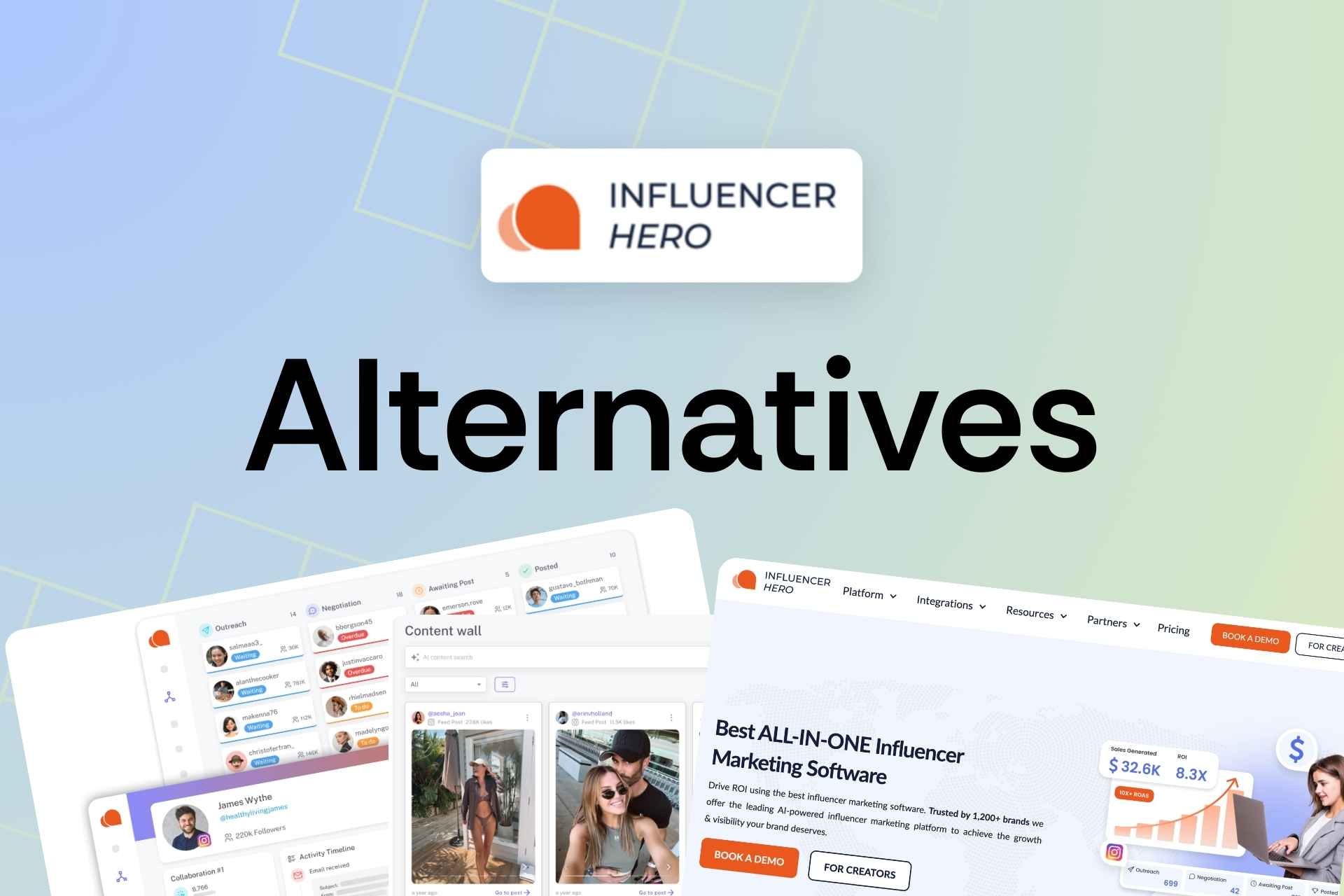
- Influencer Hero — an all-in-one influencer marketing platform covering creator discovery, outreach automation, CRM, branded storefronts, and affiliate tracking and payouts with publicly listed pricing.
- Afluencer — a brand-creator marketplace where collaborations are posted publicly and creators apply, which shortens the recruitment side that Motom leaves to you.
- ShopMy — creator storefronts and commission links with a large consumer-facing creator network behind them.
- Roster — ambassador program software built around referrals, rewards, and community-style creator management.
- Aspire — campaign workflow, creator relationship management, and content collaboration for larger brand programs.
Final Thoughts
What Motom sells is control: the storefront, the shopper journey, and the data all stay inside the brand's own ecosystem instead of a third party's. That is worth real money to a retailer already pushing meaningful revenue through creators, and worth much less to a brand still figuring out which creators move product. Match the commitment to the maturity of your program, and if creator commerce is the goal but discovery is still the bottleneck, an all-in-one suite may cover more ground. For a side-by-side view of the options above and more, browse our guide to the best Motom alternatives.